


Choosing a children’s hunting, shooting or fishing hat or cap is mostly about fit, comfort and the conditions it will be worn in. A good choice should suit the activity, stay comfortable over a session and not distract the wearer.
Because this category is small and practical, the main decision is often between a cap for lighter coverage and a warmer or more protective hat for colder, wetter or brighter conditions. It also helps to think about whether the child will wear it for a short outing, a full day outdoors or as part of a wider clothing set.
Specifications vary by model, so always check the individual product page before buying.
Compare Children's Hunting, Shooting & Fishing Hats & Caps


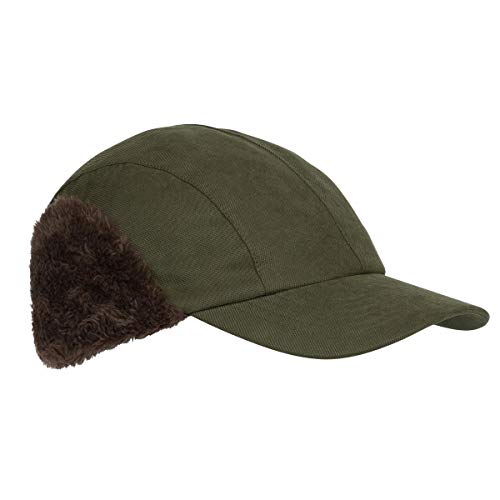
As an Amazon Associate we earn from qualifying purchases.
What should you look for in a child’s outdoor hat or cap?
The best starting point is how and where the item will be used. For many buyers, the right option is the one that balances comfort, fit and practical coverage without feeling bulky or awkward.
When comparing options, focus on how secure the fit will be, how much coverage the style provides and whether the material suits the weather and the child’s activity level. A hat that is too warm, too loose or too stiff is less likely to be worn happily.
| Feature | What it means | Why it matters | What to check |
|---|---|---|---|
| Fit | How well the hat or cap sits on the head | A poor fit can make it slip, feel uncomfortable or be ignored | Check the size guidance and whether the design allows a secure but comfortable fit |
| Coverage | How much of the head, ears or face it helps cover | Different styles suit different weather and levels of exposure | Look at the shape, brim and overall coverage offered by the style |
| Material | The fabric or blend used in the item | Material affects comfort, warmth and how suitable it is for changing conditions | Check whether the fabric seems better suited to warm, cool or damp use |
| Adjustability | Whether the fit can be fine-tuned | Adjustable designs can be easier to adapt as a child grows | See if the listing mentions an adjuster, fastening or stretch fit |
| Practical wear | How easy it is to put on, keep on and wear for longer periods | Children are more likely to use something that feels simple and unobtrusive | Look for a style that matches the child’s comfort level and the activity |
Key decision criteria
Fit and comfort first
Fit matters more than almost anything else in this category. A child’s hat or cap should sit securely without feeling tight, pinching or sliding around during movement. If the fit is uncertain, the item may be uncomfortable or constantly adjusted.
Comfort also includes how the inside feels against the skin and whether the shape suits the child’s head. Soft, flexible designs are often easier for everyday outdoor use, while firmer styles may hold their shape better.
Weather and season
Think about the conditions the hat or cap will meet most often. A lighter cap may suit brighter or milder days, while a warmer style may be more appropriate for colder outings. In wetter weather, the practical question is usually how much coverage and comfort the design offers rather than any single feature on its own.
It can help to choose for the conditions the child is most likely to face, not the rare extreme. That usually gives a more useful result than buying for every possible situation at once.
Coverage and visibility
Different styles provide different amounts of shade or coverage. A cap can be a simple choice for keeping the sun out of the eyes, while a fuller hat shape may feel more enveloping in colder weather. The right choice depends on whether the main priority is light shade, warmth or general all-round wear.
For outdoor activities, it is worth considering whether the style will stay in place well during movement and whether the brim or shape might affect the child’s view in any way.
Ease of wear
Children are more likely to keep wearing something that is simple to put on and comfortable for long periods. If a hat feels fussy, scratchy or overly structured, it may not get used much.
Look for a practical design that suits the child’s routine. For some families that means a straightforward cap; for others it means a warmer, more enclosing style that is still easy to manage.
Types and variants
This category is usually small, but the main distinction is between cap-style designs and fuller hats. Caps are often chosen for lighter coverage and an easy everyday feel. Fuller hats may suit colder or more exposed conditions better, depending on the exact design.
Some buyers prefer a simple, casual style that a child can wear across several outdoor activities. Others may want something that feels more specific to a season or type of outing. The right variant is the one that matches the child’s likely use rather than the one with the most features.
Which option suits which buyer?
| Buyer need | Likely best fit | Why |
|---|---|---|
| Short outings | Simple, comfortable cap or light hat | Easy wear and enough coverage may matter more than extra warmth |
| Colder-weather use | More covering hat style | Extra coverage can feel more suitable when temperatures drop |
| Growing child | Adjustable or forgiving fit | It is often easier to keep the item comfortable over time |
| Gift buyer | Versatile, neutral style | A flexible design is usually easier to choose without over-specifying the use |
Common mistakes to avoid
- Choosing a style for appearance alone and overlooking fit or comfort.
- Assuming one hat or cap will suit every season and weather condition.
- Picking a design that looks practical but may be awkward for the child to wear for long periods.
- Ignoring how the item will work with other clothing the child normally wears outdoors.
- Not checking the individual product information closely enough when the exact model details matter.
Safety and suitability caveats
As with any children’s outdoor clothing, the key question is whether the item suits the intended activity and the conditions it will face. Consider comfort, visibility and how securely the style stays in place, especially if the child will be moving around a lot.
Do not assume that every hat or cap offers the same level of coverage, warmth or weather suitability. The most sensible choice is the one that matches the outing and the child’s comfort needs.
Maintenance, storage and lifespan
Hats and caps are usually straightforward to look after, but care needs can still vary by model. Check how the material should be cleaned and stored, especially if the item will be used regularly outdoors or packed away between outings.
General wear, repeated washing and regular use can all affect how a hat or cap looks and feels over time. A practical choice is one that remains comfortable and presentable with the level of care you are willing to give it.
How to compare options efficiently
- Decide what the item needs to do: shade, warmth, everyday comfort or general outdoor use.
- Narrow the style first, such as cap versus fuller hat.
- Compare fit, coverage, material and adjustability.
- Think about the weather and the length of time the child will wear it.
- Check the individual product page for the exact details before choosing.
Summary buyer decision checklist
- Does the style suit the child’s main outdoor activity?
- Is the fit likely to be comfortable and secure?
- Does the level of coverage match the weather and season?
- Will the material feel suitable for the intended use?
- Is the design easy for the child to wear for longer periods?
- Have you checked the individual product details for the exact model?
Frequently asked questions
How do I choose between a cap and a hat?
A cap is often the simpler choice if the main goal is light, easy wear. A fuller hat may be better if you want more coverage or a slightly warmer feel. The right answer depends on the conditions and how the child is likely to wear it.
Should I buy for one season only?
That depends on how often the item will be used. If it is mainly for one type of outing or one time of year, a season-specific choice can make sense. If you want more flexibility, look for a style that feels comfortable across several conditions.
What matters most for children’s headwear?
Fit and comfort usually matter most because they affect whether the child will actually wear the item. After that, consider coverage, material and how easy the style is to manage.
Do adjustable designs always fit better?
Not always, but they can make it easier to fine-tune comfort. The important point is whether the adjustment range suits the child and whether the finished fit still feels secure and comfortable.
How much should I worry about material?
Enough to match the item to the likely conditions, but not so much that the decision becomes overly complicated. Material affects comfort, warmth and how the item behaves in use, so it is worth checking the listing carefully.
Can one item suit fishing, shooting and general outdoor wear?
Sometimes, yes, if the style is simple and comfortable enough for broader use. The main test is whether the coverage, fit and feel suit the child across the activities they will actually do.
What if I am buying as a gift?
Choose a versatile style with a comfortable, forgiving fit rather than something highly specific. That usually reduces the risk of choosing something that is hard to wear or too narrowly suited to one use.
Children's Hunting, Shooting & Fishing Hats & Caps
How to check a child’s hat size
When a size is given, compare it with the child’s head measurement and the sizing guidance on the individual product page rather than relying on age labels alone. If measuring, follow the product’s stated method and compare the result with its size chart; sizing can differ between designs.
An adjustable fit can help fine-tune comfort, but avoid choosing a hat so large that it slips or interferes with the child’s view. If the measurement falls between sizes, use the product’s fit guidance and consider whether the design has an adjustment that suits the child.
Children's Hunting, Shooting & Fishing Hats & Caps
More Children's Hunting, Shooting & Fishing Hats & Caps
See all 17 Children's Hunting, Shooting & Fishing Hats & Caps →


As an Amazon Associate we earn from qualifying purchases.