


Children’s insulated jackets are a practical layer for colder days when a child needs more warmth than a simple fleece or wind layer can provide. They are commonly chosen for school journeys, weekend walks and everyday outdoor play, where comfort and ease of wear matter as much as warmth.
This guide helps you compare the features that usually matter most: insulation type, outer fabric, hood design, fit and how easy the jacket is to wear over other layers. It stays focused on choosing a suitable jacket for the child and the weather, rather than assuming one style works for every situation.
Compare Children's Insulated Jackets


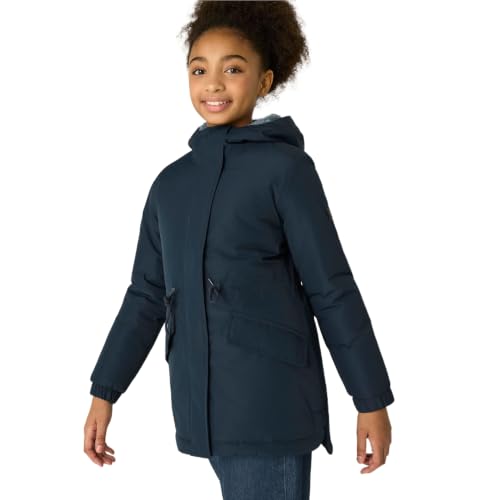


As an Amazon Associate we earn from qualifying purchases.
What should you look for in a children’s insulated jacket?
The best starting point is the kind of cold and wet weather the jacket needs to handle. A lighter insulated jacket can suit crisp, dry days and active use, while a more substantial style may be better if the child spends longer outdoors or feels the cold easily. The main trade-off is warmth versus bulk, because a jacket that feels cosier may also be heavier or less flexible for energetic play.
For many buyers, the most useful approach is to check three things first: how warm the jacket is likely to feel, whether it will layer comfortably, and whether it has enough weather protection for the child’s routine. Specifications vary by model, so always check the individual product page before buying.
| Feature | What It Means | Why It Matters | What To Check |
|---|---|---|---|
| Insulation level | How much warmth the jacket is designed to provide | Helps match the jacket to the weather and the child’s activity level | Look for the general warmth description and whether the jacket is intended for mild, cool or colder conditions |
| Outer fabric | The layer that faces wind, drizzle and everyday wear | Affects comfort, durability and how well the jacket suits active use | Check whether the outer feels suited to school, play or more frequent outdoor use |
| Hood and collar | Extra coverage around the head and neck | Can improve comfort in cold winds and reduce the need for an extra hat in mild conditions | See whether the hood is fixed, detachable or simply grown-on in style |
| Fit and layering room | How the jacket sits over base layers or jumpers | Affects movement, comfort and how useful the jacket is through the season | Check size guidance, shape and whether there is room for a mid-layer without feeling restrictive |
| Fastenings and pockets | Everyday practical details | Makes the jacket easier for children to manage independently | Look for zips, simple closures and pocket placement that suit the child’s age and routine |
Key decision criteria explained
Warmth without too much bulk
Insulated jackets vary in how warm they feel and how much movement they allow. Some are designed for a cosy feel in colder weather, while others aim for a lighter, easier-to-wear option that still adds noticeable warmth. If the jacket is for an active child, a lighter feel may be more useful than maximum insulation.
Weather protection is usually broader than just insulation
Insulation helps with warmth, but it does not automatically make a jacket suitable for wet weather. Many buyers overlook the difference between warmth and waterproofing, which can lead to a jacket that feels comfortable but is not ideal in rain. If the jacket will see mixed British weather, check how the outer layer is described and whether the design suggests extra protection from wind or showers.
Fit, movement and layering
Children need room to move, climb, run and sit comfortably. A jacket that is too tight can feel warm indoors but awkward outdoors once a jumper is added, while an overly loose jacket may feel bulky. Look for sizing cues that match the child’s usual layering habits and consider whether the jacket will be worn mainly over school clothes or casual layers.
Ease of use matters
Simple zips, manageable cuffs and pockets that are easy to reach can make a big difference for younger children. These details are especially useful when a child needs to put the jacket on quickly or manage it without much help. For older children, ease of use still matters, but style and fit may weigh more heavily.
Common types and variants
Within this category, the main differences are usually about warmth, weight and the look of the jacket rather than radically different functions.
- Light insulated jackets suit milder cold and active use, where a heavy coat would feel unnecessary.
- Heavier padded or puffer-style jackets suit colder days and children who prefer a more enveloping feel.
- Insulated jackets with extra weather-resistant features can be more practical when weather is changeable, but may feel less airy than lighter styles.
The right choice depends on how often the jacket will be worn, how cold the conditions are and whether it needs to work as an all-round everyday layer or a colder-weather option.
Which jacket suits which kind of buyer?
| Buyer need | What to prioritise | Trade-off to accept |
|---|---|---|
| School runs and everyday wear | Comfort, easy fastening and a shape that layers well | May not be the warmest or most technical option |
| Outdoor play and active use | Freedom of movement and a lighter feel | May be less wraparound and cosy than heavier styles |
| Colder weather or longer time outside | More substantial insulation and coverage | Can feel bulkier or less adaptable indoors |
| Gift buying | Flexible fit, simple styling and broad everyday appeal | Harder to fine-tune if the child has very specific needs |
Common mistakes and misunderstandings
- Choosing warmth without checking use case. A jacket that feels very cosy may be too warm for active play or school corridors.
- Assuming all insulated jackets handle rain equally well. Warmth and wet-weather protection are not the same thing.
- Overlooking layering. A jacket that only works over a thin top may become less useful once colder weather arrives.
- Focusing only on age labels. Fit and shape matter more than the number on the tag, especially for growing children.
Safety and suitability caveats
This category is mainly about comfort and weather suitability, but it is still worth checking a few practical points. Make sure the jacket suits the child’s usual activities, does not restrict movement and is easy for them to manage. If the jacket is intended for mixed weather, confirm the level of wind or water resistance on the individual product page rather than assuming insulation alone is enough.
Care, storage and everyday wear
Children’s insulated jackets usually see frequent use, so easy care can be an important part of the buying decision. Consider whether the outer fabric is likely to show marks easily, whether the jacket will need occasional cleaning and whether it will dry in time for regular use. A jacket that packs away neatly or stores without taking much space can also be more convenient if it is used only for part of the year.
How to compare options efficiently
- Start with the child’s main use: school, play, travel or colder outdoor time.
- Decide whether you need a lighter layer or a warmer, more substantial jacket.
- Check fit, layering room and ease of movement.
- Look at the outer fabric and any weather-protection details.
- Compare practical details such as hood design, fastening and pockets.
- Confirm the product page details before choosing a size or style.
Summary buyer decision checklist
- Does the jacket suit the weather the child will actually face most often?
- Is the warmth level right for active use, everyday wear or colder conditions?
- Will it layer comfortably over school clothes or jumpers?
- Is the fit practical for movement, not just for standing still?
- Are the hood, zip and pockets easy enough for the child to use?
- Does the product page describe any weather resistance you expect to rely on?
Frequently asked questions
Is an insulated jacket the same as a waterproof jacket?
No. An insulated jacket is mainly designed to add warmth, while a waterproof jacket is designed to deal with rain. Some jackets may combine both qualities, but they should not be treated as identical. If rain protection matters, check the product details rather than assuming warmth means waterproofing.
How warm should a children’s insulated jacket be?
That depends on how cold the weather is and how active the child will be. A very warm jacket may be ideal for still, chilly outings but unnecessary for energetic play. Start with the child’s routine, then choose the amount of insulation that feels appropriate for those conditions.
Should I buy a bigger size for growing room?
Some room for layers can be useful, but a jacket that is too large may feel awkward and less comfortable. The better approach is to allow for normal layering and modest growth without losing ease of movement. Check the sizing guidance on the individual product page carefully.
Are padded jackets and puffer jackets the same thing?
They are often used in similar ways, but the terms are not always identical across products. What matters most is the overall warmth, bulk and fit rather than the label alone. Read the description of the specific jacket to understand how it is intended to feel and perform.
What details matter most for younger children?
Simple fastenings, comfortable cuffs, easy pockets and a hood that stays usable in everyday wear can be especially helpful. Younger children often benefit from jackets that are easy to put on and take off without much help. Comfort and independence usually matter as much as warmth.
Can one jacket do for school and weekends?
Often, yes, if the style is comfortable, flexible and suitable for the expected weather. The main question is whether it balances warmth, durability and ease of wear well enough for both settings. If the child’s needs vary a lot, a more specific jacket may be more practical.
More Children's Insulated Jackets
See all 168 Children's Insulated Jackets →


As an Amazon Associate we earn from qualifying purchases.