

Children’s ski and snowboard balaclavas are a practical layer for cold, windy days on the slopes. The main job is to add warmth and coverage around the head, neck and lower face without making a child feel boxed in or uncomfortable.
Because children’s needs vary a lot by age, sensitivity to cold and whether they wear a helmet, the right choice is usually about fit and comfort as much as warmth. It also helps to think about how the balaclava will work with goggles, jacket collars and the rest of the winter kit.
If you are comparing options for a trip, lesson or regular use, it is worth focusing on the parts that affect day-to-day wear rather than assuming every balaclava will feel the same. Specifications vary by model, so always check the individual product page before buying.
What should you look for in a children’s ski and snowboard balaclava?
The best starting point is how the balaclava fits the child and how much of the face and neck it covers. A good option should feel secure enough to stay in place, but not so tight that it becomes distracting under a helmet or around the ears.
Warmth, breathability and softness all matter, but they trade off against one another. A thicker or more enclosed design may feel cosier in very cold conditions, while a lighter one may be easier for active children who warm up quickly or dislike bulk.
| Feature | What it means | Why it matters | What to check |
|---|---|---|---|
| Fit | How closely the balaclava follows the child’s head and face | Fit affects comfort, coverage and whether it stays in place | Look for size guidance, stretch and whether it is intended for children |
| Coverage | How much of the head, cheeks, neck and chin it protects | Different activities and weather conditions call for different coverage levels | Check whether it is full-face, open-face or offers a more flexible opening |
| Fabric feel | The texture and softness against the skin | Scratchy material can put children off wearing it | Look for material descriptions that suggest comfort and easy layering |
| Breathability | How well it lets moisture and warmth escape | Helps reduce clamminess during active use | Check whether the product is described as breathable or moisture-managing |
| Helmet compatibility | Whether it can be worn under a ski or snowboard helmet | Many children will use it with other headwear | Check the shape, thickness and any product notes on helmet use |
Key decision criteria explained
Fit and comfort
Children are much more likely to wear a balaclava consistently if it is comfortable. A close but gentle fit is usually better than a loose one that slips into the eyes or bunches under a helmet. If the child is between sizes or particularly sensitive to seams, that should weigh heavily in the decision.
Coverage level
Some balaclavas are designed to cover only part of the face, while others create fuller coverage around the head, neck and chin. More coverage can help in colder conditions, but it may also feel warmer than needed on milder days. Think about the typical weather the child will face, not just the chilliest possible day.
Material and feel against the skin
Softness is especially important for younger children or anyone who dislikes anything scratchy near the face. The material also affects how the balaclava feels during longer wear, such as lessons, lift rides or breaks outdoors. If a child is likely to wear it for extended periods, comfort usually matters more than a marginal difference in coverage.
Breathability and moisture management
Children can move from chilly to overheated quite quickly once they start skiing or snowboarding. A balaclava that manages moisture well is often easier to live with than one that traps too much warmth. This is one of the main trade-offs: very insulating options can be cosy, but may feel less comfortable when activity levels rise.
Helmet and goggle pairing
For many buyers, the real question is not whether the balaclava looks warm on its own, but whether it works with the rest of the kit. Check that it sits comfortably under a helmet and does not interfere with goggle positioning. If the opening around the face is awkward, it can create pressure points or leave gaps that defeat the purpose.
Specifications vary by model, so always check the individual product page before buying.
Types and variants you may come across
Children’s balaclavas in this category are usually chosen by how much they cover and how they are shaped rather than by complicated technical differences.
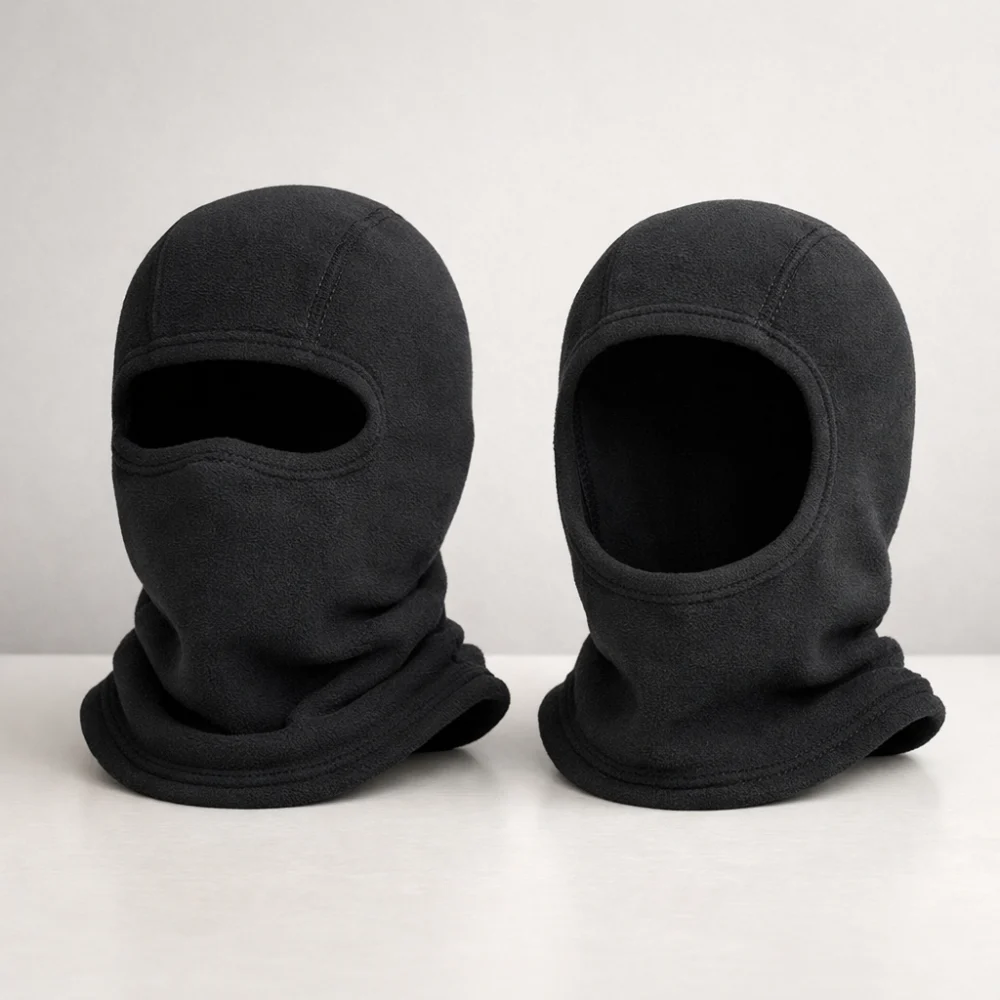
- Full-coverage balaclavas: These are more enclosed and are often chosen for colder days or for children who feel the cold easily. The trade-off is that they may feel warmer than necessary in milder conditions.
- Open-face styles: These leave more of the face exposed and can feel less restrictive. They may suit children who dislike feeling wrapped up or who only need lighter coverage.
- Helmet-friendly shapes: Some designs are intended to sit neatly under a helmet. These can be a sensible choice if skiing or snowboarding is the main use, but the fit still needs checking carefully.
Which style suits different needs?
| Buyer need | What to prioritise | Why it helps | Possible compromise |
|---|---|---|---|
| Cold-sensitive child | More coverage and a cosy feel | Helps them stay comfortable in wind and low temperatures | May feel warmer than necessary during active use |
| Child wearing a helmet | Low-bulk fit and smooth shaping | Reduces bunching and pressure points | May offer slightly less enclosure than a heavier design |
| Child who dislikes face coverage | Open-face or less enclosed styles | Can be easier to wear for longer periods | Less protection in colder or windier conditions |
| Occasional holiday use | Comfort and straightforward fit | Makes it easier to pack and use without much fuss | May not be as specialised for extreme cold |
| Regular winter sports use | Balance of warmth, breathability and compatibility | More likely to work across changing conditions | Usually means comparing several details rather than one simple feature |
Common mistakes and misunderstandings
- Choosing only by warmth: A very warm balaclava is not always the most useful if it feels too hot or bulky. Comfort and breathability matter just as much for children.
- Ignoring helmet fit: A balaclava can seem fine on its own but feel awkward under a helmet. If it will be worn with one, that pairing should be part of the decision.
- Assuming one size will suit every child: Age labels can be only a starting point. Head shape, sensitivity and how snugly the child likes clothing all affect the best choice.
- Overlooking fabric feel: Children often reject items that feel scratchy or tight, even if the item seems practical on paper. A softer-feeling option can be more useful in real life.
Safety and suitability caveats
Choose a balaclava that suits the child’s activity, temperature and comfort level, rather than assuming a single style will work everywhere. It should not interfere with clear vision, breathing comfort or the fit of other winter sports gear.
For younger children, it is especially important to check that the product is intended for children and that the opening, coverage and fit are sensible for the way it will be worn. If specifications are important to your decision, confirm them on the individual product page rather than relying on the category name alone.
Maintenance, storage and lifespan considerations
Most balaclavas are chosen for easy routine care, but exact cleaning needs vary by fabric and construction. Check whether the material is likely to be simple to wash and quick to dry, especially if it may be worn repeatedly on a trip.
It also helps to think about storage and packing. A soft, compact balaclava is usually easier to tuck into a glove compartment, day bag or suitcase than a bulkier option. Over time, the practical question is whether it keeps its shape and remains comfortable after repeated use and washing.
How to compare options efficiently
- Start with the child’s likely use: holidays, lessons, regular skiing or occasional cold-weather wear.
- Decide how much coverage is actually needed and whether the child will wear a helmet.
- Compare comfort factors such as softness, stretch and bulk before focusing on anything else.
- Check whether the design looks practical with goggles, jacket collars and other winter clothing.
- Read the individual product page carefully for the size, shaping and any care information that matters.
Summary buyer decision checklist
- Does the balaclava suit the child’s age, head size and comfort preferences?
- Is the coverage level right for the weather and the way it will be used?
- Will it work comfortably with a helmet if that is part of the kit?
- Does the fabric seem soft and suitable for wearing against the skin?
- Is the style likely to stay in place without feeling restrictive?
- Have you checked the individual product page for any details that affect fit or care?
Frequently asked questions
Do children’s ski balaclavas need to be worn under a helmet?
Not always, but they are often chosen for use with a helmet. If that is your plan, the key is to make sure the balaclava sits smoothly and does not create pressure or bunching. A lighter, low-bulk design is often easier to pair with a helmet than a thick one.
What is the difference between a balaclava and a neck warmer?
A balaclava usually offers more complete head and face coverage than a neck warmer. That extra coverage can be useful in windy or colder conditions. A neck warmer may feel simpler and less enclosed, but it does not provide the same all-round protection.
How do I know if the fit will be comfortable for a child?
Look for clear size guidance and think about how the child usually reacts to close-fitting clothing. A comfortable balaclava should stay in place without feeling tight at the face, ears or neck. If the child dislikes anything around the mouth or nose, an open-face style may be easier to wear.
Is a thicker balaclava always better for skiing or snowboarding?
Not necessarily. Thicker options can be useful in colder conditions, but they may be too warm when the child is active or the weather changes. The better choice is the one that balances warmth with breathability for the conditions you expect most often.
Can one balaclava work for both skiing and snowboarding?
Usually yes, as long as the fit and coverage suit the child and work with their helmet and goggles. The main decision is less about the sport and more about comfort, layering and how the balaclava sits with the rest of the kit.
What should I check if buying for a gift?
Focus on flexible fit, soft fabric and a style that is not too specialised. Gift buyers often do better with something that is comfortable and adaptable rather than highly specific. If you are unsure about helmet use or sizing, choose a design that appears more forgiving in fit.
How much care does a children’s balaclava usually need?
Care needs vary by material, but most buyers will want something easy to clean after repeated winter use. A practical choice is one that can be washed and stored without much hassle, especially if it will be packed for trips.