

Men’s hunting, shooting and fishing jackets and smocks are chosen for a mix of weather protection, comfort, movement and practicality. The right option depends on how much layering you need, how active you will be and whether you want a shorter jacket or a more coverage-focused smock.
Because this category covers several outdoor uses, there is no single feature set that suits everyone. Some buyers want something light enough for active days, while others care more about staying dry, retaining warmth or reducing noise when moving through the field.
This guide helps you compare the main decision points so you can narrow down the type that fits your conditions and how you plan to wear it.
What should you look for first?
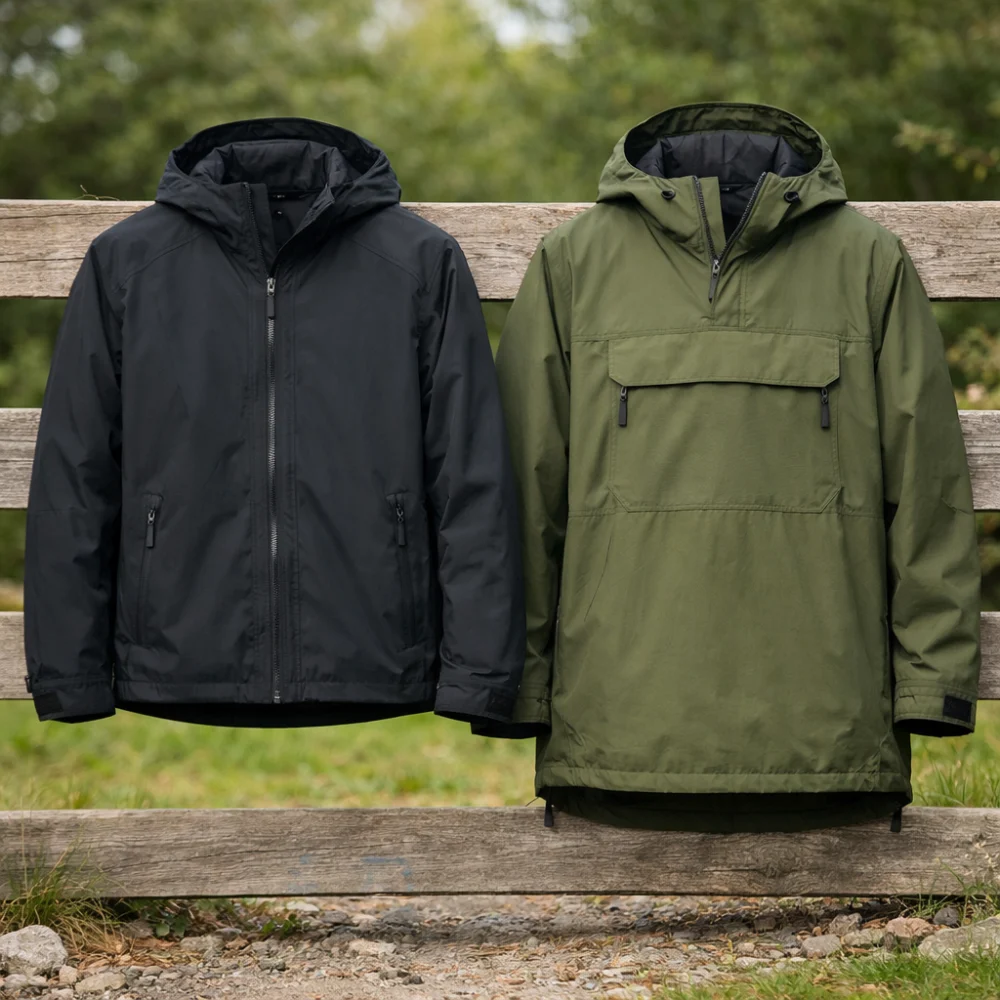
Start with the conditions you expect to face most often. Think about weather protection, breathability, freedom of movement and how much room you need for layers underneath. A jacket usually gives a more conventional fit and easier everyday wear, while a smock can offer extra coverage and a looser, more over-the-top style.
The best starting point is usually the balance between protection and comfort. If you expect wet or windy conditions, fabric construction and coverage matter more; if you are more active, breathability and ease of movement become more important. Specifications vary by model, so always check the individual product page before buying.
| Feature | What It Means | Why It Matters | What To Check |
|---|---|---|---|
| Weather protection | How well the outer layer helps deal with wind and rain | Important if you spend long periods outdoors or in changeable conditions | Look for the stated level of protection and any construction details on the product page |
| Breathability | How easily moisture can escape while you are moving | Helps reduce clamminess during active use or when layered up | Check whether the product is described as suitable for active wear or warmer layering |
| Fit and layering room | How much space there is for shirts, fleeces or other layers | Too little room can feel restrictive; too much can feel bulky | Read the fit notes and compare them with what you plan to wear underneath |
| Noise level | How quietly the fabric moves | Can matter when you want less rustle while moving carefully | Look for wording about quiet or soft fabrics, if provided |
| Pockets and closure layout | How the garment stores small items and shuts at the front | Affects convenience and ease of use in the field | Check pocket placement, fastening type and whether the layout suits your routine |
| Coverage and length | How much of the body the garment covers | Longer styles can give more protection, while shorter styles may feel less restrictive | Compare jacket length with smock style and consider how you move outdoors |
Key decision criteria explained
Weather protection versus mobility
Outdoor clothing often needs to do two jobs at once: keep the weather out and still let you move freely. A more protective outer layer can be useful in wind or rain, but added structure can also feel warmer or less flexible. If you are usually active and on the move, ease of movement may matter more than a heavier feel.
Jacket or smock style
A jacket is familiar and usually easier to wear like a regular outer layer. A smock is often chosen when extra length or a looser fit is helpful, especially over layers. The trade-off is that a smock may feel less compact or less familiar if you prefer a standard jacket shape.
Noise, fabric feel and comfort
For some buyers, the feel of the fabric matters almost as much as weather protection. Softer, quieter materials can be more comfortable for long periods, while tougher-feeling fabrics may be selected for a different balance of durability and structure. What matters most depends on how and where you will use the garment.
Pockets and practical details
Small details can make a big difference to day-to-day use. Pocket placement, zip or button closures, cuffs and hood style can all affect convenience. These features are worth checking carefully because they influence how easily you can wear the garment with gloves, layers or other outdoor kit.
Common types and variants
Within this category, the main differences are usually about length, fit and overall purpose rather than a completely different product type. Some styles are closer to a general outdoor jacket, while others are designed as overgarments with more coverage and room for layering.
- Standard jackets suit buyers who want a more familiar outer layer and straightforward wear.
- Smocks suit those who want extra coverage and a roomier feel over base layers or mid-layers.
- More active-oriented styles may prioritise movement and breathability over heavier protection.
If you are unsure which approach fits you, focus on how the garment will be worn most often rather than on the label alone.
Which option suits different buyers?
| Buyer need | Likely better fit | Why | What to confirm |
|---|---|---|---|
| Layering in colder weather | Roomier jacket or smock | Lets you wear insulating layers underneath more comfortably | Check fit notes and room through the chest and shoulders |
| More active use | Lighter, easier-moving style | Helps reduce restriction and overheating | Look for breathability and movement-friendly cut |
| Extra coverage | Smock | Can be useful when you want more length and a looser outer layer | Compare overall length and opening style |
| Simple everyday wear | Standard jacket | Often feels more familiar and less specialised | Check whether it suits your usual clothing layers |
Common mistakes and misunderstandings
- Choosing on style alone. The same-looking outer layer can behave very differently in wind, rain and movement, so check the practical details first.
- Ignoring layering needs. A close fit may seem neat but can become uncomfortable once you add warmer clothing underneath.
- Overlooking noise and feel. For some uses, a quieter fabric is more pleasant and less distracting than a stiffer outer shell.
- Assuming all smocks are the same. Length, opening style and roominess vary, so compare the individual product page rather than the name alone.
Safety and suitability caveats
Choose clothing that suits the environment and the amount of protection you actually need. These garments can help with comfort and weather resistance, but they are not a guarantee of safety or suitability in every condition.
If you will be outdoors for long periods, check the garment’s stated purpose, intended fit and any care or use notes that apply to the specific product.
Maintenance, storage and lifespan
General care affects how long outdoor clothing stays comfortable and usable. Check the care instructions for the garment you are considering, especially if it has specialist materials or finishes. Storage matters too: keeping the item clean, dry and loosely stored helps avoid unnecessary wear.
Over time, zips, cuffs, seams and outer fabrics may show wear depending on how often the garment is used. That is one reason to compare build style and finish rather than looking only at appearance.
How to compare options efficiently
- Decide where and how you will wear it most often.
- Choose between a jacket and a smock based on fit and coverage preferences.
- Check the balance of weather protection, breathability and movement.
- Review pockets, fastening and layering room.
- Read the individual product page carefully before making a final choice.
Summary buyer decision checklist
- Will you wear it mainly as a jacket or over layers as a smock?
- Do you need more weather protection or more breathability?
- Is there enough room for the layers you usually wear?
- Do the pockets and fastenings suit your routine?
- Is the fabric likely to feel comfortable for the type of use you expect?
- Have you checked the product page for any model-specific details?
Frequently asked questions
What is the main difference between a jacket and a smock?
A jacket is usually worn more like a standard outer layer, while a smock often gives a looser fit and more coverage. The better choice depends on whether you want a familiar shape or more room over layers.
Should I choose a waterproof style?
That depends on how often you expect wet weather and how long you will be outdoors. If rain protection matters a lot, check the product details carefully rather than assuming all outerwear in the category offers the same level of resistance.
How important is breathability?
It becomes more important when you are active or wearing extra layers underneath. If you expect to walk, move frequently or work up heat, breathability can make the garment more comfortable.
Do quieter fabrics really matter?
They can, especially if you prefer less rustle when moving carefully or simply want a softer feel. For some buyers this is a small detail; for others it is one of the main reasons to choose one garment over another.
What should I check if I plan to layer underneath?
Look at fit notes, room in the shoulders and chest, and whether the cut sounds relaxed enough for a fleece or other mid-layer. A neat-looking outer layer can feel restrictive once you add insulation.
Are pockets worth comparing closely?
Yes, because pocket layout affects everyday convenience. Think about where you want to keep small items and whether the closure style and pocket placement will work with gloves or other outdoor clothing.
Can one garment work for shooting, fishing and general countryside use?
Sometimes, but it depends on the balance of features. A versatile outer layer can work across activities if the fit, weather protection and comfort suit your main use, but no single style is ideal for every setting.