

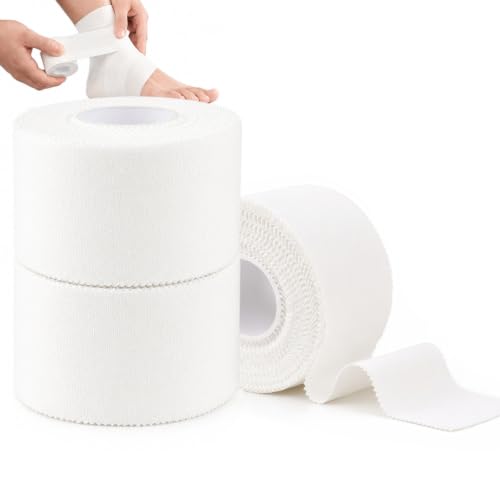
Climbing tape is a small purchase that can make a noticeable difference to comfort, skin management and how secure your fingers feel on the wall. Buyers usually want help choosing the right width, adhesion and ease of tear rather than a long list of technical claims.
This guide focuses on the practical questions: what climbing tape is used for, when a simple roll is enough and which details matter if you tape fingers, knuckles or larger areas of skin. It stays within the category so you can compare options with a clear idea of what to check.
Compare Climbing Tape


As an Amazon Associate we earn from qualifying purchases.
What should you look for in climbing tape?
The best starting point is to match the tape to the job you need it to do. For most buyers, that means balancing grip on the skin, comfortable wear, and how easy the tape is to tear and remove. A tape that is convenient to use can be more helpful than one that sounds specialised but does not suit your hands or taping style.
Specifications vary by model, so always check the individual product page before buying.
| Feature | What It Means | Why It Matters | What To Check |
|---|---|---|---|
| Adhesion | How firmly the tape sticks in use | Affects whether the tape stays put during a session | Look for the level of hold described by the product page and whether it is suited to your intended use |
| Tearability | How easily the tape can be torn by hand | Makes quick application simpler between climbs | Check whether it is designed for easy hand tearing or needs scissors |
| Width | The tape’s strip size | Influences finger taping, joint support and coverage | Choose a width that matches the area you most often tape |
| Skin feel | How the tape sits against the skin | Matters for comfort during repeated use | Consider whether you want a more flexible or more structured feel |
| Residue on removal | How the tape behaves when taken off | Affects cleanup and comfort after longer sessions | Check product information for notes on removal and skin sensitivity |
| Roll size | How much tape is included in one roll | Helps you judge value for regular use | Compare the amount supplied if the product page gives it |
Key decision criteria
What are you taping?
Finger taping, knuckle protection and general skin management can all place slightly different demands on the tape. A narrow strip may suit finger joints, while a wider option may be easier for larger patches of worn skin. The right choice depends less on the label and more on the part of the hand you want to cover.
How important is quick application?
If you tape up between attempts, being able to tear and apply the tape quickly matters. Some climbers prefer a tape that is easy to handle with cold hands or chalky fingers, while others care more about a secure finish once it is on. Those needs can trade off against each other, so it helps to prioritise the one that matters most to you.
How much support or protection do you want?
Climbing tape is usually chosen for targeted support rather than broad injury treatment. A firmer feel can be useful for some taping jobs, but a stiffer tape may feel less comfortable or more awkward to position neatly. If you are using tape for the first time, start with the simplest option that suits your intended use rather than assuming more hold is always better.
Will you use it often?
Regular users often care about value in a different way from occasional buyers. If you tape frequently, practical details such as roll size, easy tearing and consistent handling can matter more than a marginal difference in appearance. For occasional use, a straightforward roll that does the basic job well may be the most sensible choice.
Types and variants within climbing tape
Within this category, the main variation is usually between tape that feels more rigid and tape that feels more flexible or easy to apply. Some buyers want a neat, supportive strip for finger taping, while others want a more general-purpose roll for skin protection and small adjustments.
There is also practical variation in width and handling. Narrower tape can be easier for smaller taping jobs, while wider tape can cover more skin with fewer wraps. The important point is not to treat all tape as interchangeable; the size and handling style should fit the way you climb.
Which type suits which buyer?
| Buyer need | What to prioritise | Why it helps |
|---|---|---|
| Finger taping for regular sessions | Easy tearing, suitable width, secure hold | Helps make taping fast and consistent |
| Skin care and small repairs | Comfort, manageable roll size, simple application | Useful when you want quick protection without fuss |
| Occasional climber | Basic usability and value | Often the simplest choice is enough if you tape infrequently |
| Frequent indoor boulderer | Convenience and repeatability | Small differences in handling become more noticeable over time |
Common mistakes and misunderstandings
- Choosing tape only by appearance. A roll that looks similar can still feel very different in use, especially when it comes to tearing and skin feel.
- Assuming one width fits every job. Narrow and wider tape each have different strengths, so think about where you will apply it most often.
- Ignoring removal and residue. If you tape often, the way the tape comes off can matter just as much as how well it sticks on.
- Buying more than you need. A larger roll is not automatically better if you only use tape occasionally and value portability more.
Safety and suitability caveats
Climbing tape is a support and skin-management product, not a substitute for proper technique or for professional advice where that is needed. If you have an existing finger or hand issue, check whether taping is appropriate for your situation before relying on it during climbing.
Also consider whether the tape suits your skin and your planned use. A product that works well for one climber may feel too stiff, too loose or too awkward for another.
Maintenance, storage and lifespan considerations
Climbing tape is usually simple to keep, but storage still affects how useful it stays. Keep the roll dry and protected from dirt so the adhesive and edge handling remain dependable. If you carry it in a climbing bag, a neat, closed storage space can help prevent the roll from picking up grime.
For regular users, it is worth thinking about how quickly you will go through a roll and whether it is convenient to keep a spare. That can be more important than buying the largest roll available.
How to compare options efficiently
- Decide what you need the tape to do, such as finger taping, skin protection or general support.
- Choose a width and handling style that match that task.
- Compare how easy it is to tear, apply and remove.
- Check any product-page notes about adhesion, comfort and intended use.
- Pick the simplest option that meets your needs rather than overcomplicating the choice.
Summary buyer decision checklist
- Have I chosen the right width for the area I want to tape?
- Do I want easier tearing or a firmer feel?
- Will I use the tape regularly or only occasionally?
- Does the product page give enough detail about hold and removal?
- Is the roll size practical for how often I climb?
- Have I checked that the tape suits my skin and intended use?
Frequently asked questions
What is climbing tape used for?
Climbing tape is commonly used to cover worn skin, support fingers or knuckles, and help manage minor hand discomfort during climbing. The exact use depends on the climber and the taping method, so it is worth thinking about the specific job before choosing a roll.
Is wider tape better than narrow tape?
Not necessarily. Wider tape can cover more skin with fewer wraps, while narrow tape may be easier for finger taping and smaller areas. The better choice depends on where you plan to use it most often.
Should climbing tape be easy to tear by hand?
For many climbers, yes, because hand-tearable tape is quicker to use between attempts. That said, some buyers prefer a different balance of hold or texture, so easy tearing is useful rather than essential for everyone.
Does stronger adhesion always mean a better tape?
No. Stronger adhesion can help the tape stay in place, but it may also feel less comfortable or be harder to remove. The right level of hold depends on how long you expect to wear it and how sensitive your skin is.
How do I choose tape if I climb only occasionally?
If you climb occasionally, a straightforward roll with reliable basic handling is often enough. Focus on comfort, ease of use and whether the width matches the areas you actually tape rather than buying a more specialised option.
Can climbing tape replace good skin care?
Not really. Tape can help manage skin during climbing, but it does not replace the habits that keep your hands in usable condition over time. Think of it as one part of your setup rather than a complete solution.
What should I check on the product page before buying?
Look for width, roll size, how the tape is meant to feel in use and any notes on tearing or removal. Specifications vary by model, so always check the individual product page before buying.
More Climbing Tape
See all 98 Climbing Tape →


As an Amazon Associate we earn from qualifying purchases.