


Jig heads are a simple but important part of many lure and bait presentations. The right choice helps you fish at the depth you want, keep your lure working properly and match the conditions you expect to face.
If you are new to terminal tackle, jig heads can seem more varied than they first look. Small differences in weight, hook shape and head style can change how a rig casts, sinks and holds the bait.
This guide focuses on the buying decisions that matter most, so you can compare options without having to decode every listing in detail.
Compare Jig Heads
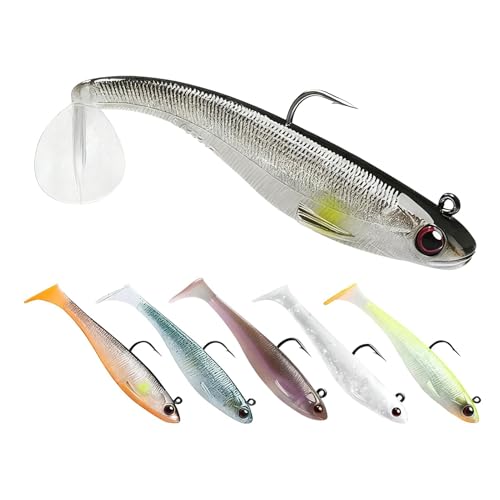


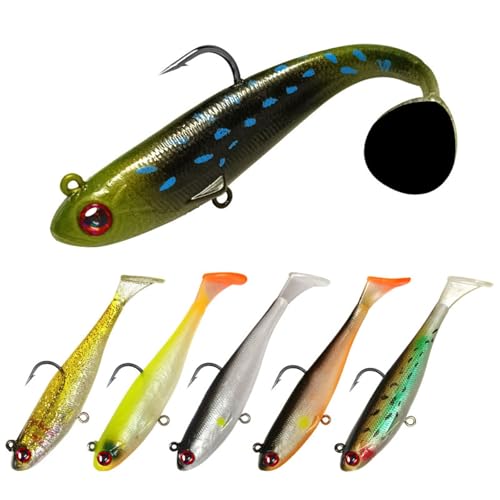

As an Amazon Associate we earn from qualifying purchases.
What should you look for in a jig head?
The best starting point is the weight and hook size that suit your lure, bait and fishing conditions. From there, think about the head shape, hook wire strength and how the hook is secured in the bait. Specifications vary by model, so always check the individual product page before buying.
| Feature | What it means | Why it matters | What to check |
|---|---|---|---|
| Weight | How heavy the jig head is | Influences casting, sink rate and how deep the presentation sits | Match the weight to your target depth, lure size and the conditions you fish |
| Hook size | The size of the hook attached to the head | Affects bait balance, hook-up potential and compatibility with soft lures | Check that the hook suits the body size and style of bait you plan to use |
| Head shape | The form of the lead or metal head | Can affect swimming action, bottom contact and how the jig moves through cover | Consider whether you need a more streamlined or more stable presentation |
| Hook wire and strength | The thickness and robustness of the hook | Changes how confidently the hook copes with pressure and the type of fish you expect | Look for a hook style that fits the species, tackle and cover you fish |
| Bait keeper | The feature that helps hold soft bait in place | Helps the lure stay aligned and can reduce slippage after repeated casts | Check how the bait is retained and whether it suits the lure material |
Key decision criteria
Weight and sink rate
Weight is one of the most important choices because it affects how quickly the jig reaches the fishing zone and how naturally it behaves once it is there. A lighter head may suit shallow water or a slower presentation, while a heavier one may help in deeper water or stronger flow. The trade-off is simple: more weight usually means faster descent, but less subtle movement.
Hook size and lure match
A jig head should work with the body shape and length of the lure or bait you plan to use. If the hook is too large, it may overpower the lure; if it is too small, the presentation may look unbalanced or leave less hook exposure. Check the recommended lure pairing on the product page where available, and compare the hook gape with the thickness of the bait body.
Head style and presentation
Different head styles are chosen for different fishing situations. A more streamlined shape may suit cleaner casting and a smoother retrieve, while a shape designed for bottom contact or slower movement may be more appropriate when you want the bait to stay in the strike zone. The key question is not which shape is universally better, but how you want the lure to move.
Hook security and bait retention
Many buyers focus on the hook point and overlook how the bait stays on the jig. A keeper or retaining feature can make repeated casts more practical and help soft baits sit straighter. That matters most if you use delicate lure materials or fish in a way that puts repeated pressure on the bait.
Product types and variants
Within this category, the main differences usually come from practical design rather than dramatic product families. Some jig heads are intended for lighter presentations and others for more secure, sturdier use. The useful comparison is often between heads that prioritise finesse, those that prioritise stability and those that are designed to hold bait more firmly.
If you mostly fish simple soft-bait setups, keep the focus on the basics: weight, hook fit and how the lure sits. If you already know the kind of presentation you want, you can narrow the choice by checking the shape and retention features first.
Choosing based on your needs
| Buyer need | What usually matters most | Why |
|---|---|---|
| Beginner buying a first jig head | Clear weight choice, obvious hook fit and simple bait retention | Makes it easier to match the jig to a common lure without overthinking the details |
| Angler fishing deeper water | Weight and sink rate | Helps the presentation reach the target area more predictably |
| Angler fishing around cover | Hook security and presentation style | Can help keep the bait working cleanly while still matching the fishing spot |
| Angler using soft lures often | Bait keeper and correct hook size | Helps the lure stay aligned and reduces the need for constant re-rigging |
| Angler comparing multiple setups | Consistency across weights and hook sizes | Makes it easier to build a few reliable options for different conditions |
Common mistakes and misunderstandings
- Choosing weight first and ignoring hook fit. A jig can be the right weight but still work poorly if the hook size does not suit the bait body.
- Assuming one head shape suits every situation. Presentation goals vary, so the shape should match the way you want the lure to move.
- Overlooking bait retention. If the bait slips or twists, the presentation may look uneven even when the weight and hook size are reasonable.
- Buying only for appearance. The useful details are usually the practical ones: size, retention and how the hook sits with the lure.
Safety and suitability caveats
Jig heads include sharp hooks and should be handled with care. For buying purposes, make sure the size, weight and hook style suit the way you intend to fish, and keep in mind that a setup that suits one lure may not suit another. If you are unsure, compare the individual product information rather than relying on the name alone.
Maintenance, storage and lifespan considerations
Jig heads are straightforward, but their condition still matters. Keep hooks dry where possible, store them so points do not damage other tackle and check that the head and hook remain in good condition after use. If a jig head has been bent, blunted or damaged, it may no longer present the lure as intended.
It also helps to think about how often you replace tackle in normal use. If you fish frequently or around rough structure, durability and the ability to keep a sharp, usable point may matter more than in occasional light use.
How to compare options efficiently
- Decide what kind of presentation you want: shallow, deeper, slower or more controlled.
- Choose a weight range that fits that plan.
- Check the hook size against your lure or bait body.
- Look at head shape and bait retention to see how the jig should behave.
- Read the individual product page carefully before choosing.
Buyer checklist
- Does the weight suit the depth and conditions you expect?
- Will the hook size match the lure or bait body?
- Does the head shape fit the kind of presentation you want?
- Is there enough bait retention for the lures you use?
- Have you checked the individual product page for the exact details?
Frequently asked questions
What is a jig head used for?
A jig head combines a weighted head with a hook so you can present soft baits or lures in a controlled way. It helps with casting, sinking and keeping the bait in the intended position. The exact use depends on the style and weight you choose.
How do I choose the right weight?
Start with the depth and the type of movement you want. Lighter options often suit slower or shallower presentations, while heavier ones may be better when you need the lure to sink more quickly or stay where you want it. The water conditions and lure size also matter.
Does hook size need to match the lure?
Yes, hook size should suit the lure body so the presentation sits naturally and the hook point has useful exposure. A poor match can make the bait look awkward or reduce practical performance. Check the lure shape and the usable hook gape before buying.
Why does head shape matter?
Head shape influences how the jig moves through the water and how it behaves on the retrieve or near the bottom. Some shapes are more streamlined, while others are better suited to stability or contact. The right choice depends on how you want to fish, not just the bait size.
Do I need a bait keeper?
A bait keeper is useful if you want the lure to stay in place through repeated casts or bites. It can reduce slippage and keep the presentation looking neater for longer. If you change lures often, it may be less of a priority than hook fit and weight.
Are all jig heads suitable for every soft lure?
No, fit can vary quite a lot. Soft lure thickness, length and body shape all affect how well a jig head works with it. It is safer to compare the lure and jig head together rather than assuming any one size will do.
More Jig Heads
See all 93 Jig Heads →


As an Amazon Associate we earn from qualifying purchases.