


Marine GPS units are chosen for clarity, confidence and practicality on the water. Some buyers want a simple way to see position and route information, while others need a unit that can work as part of a wider marine electronics setup.
The right choice depends on how you boat, where you navigate and how much information you want on screen. It also depends on how easy the unit is to read, mount and use when conditions are moving and visibility is not ideal.
This guide keeps the decision focused on the buying questions that matter most: what type of unit suits your boat, which features are genuinely useful and which details should be checked on the individual product page.
Compare Marine GPS Units



As an Amazon Associate we earn from qualifying purchases.
What should you look for in a marine GPS unit?
Start with the kind of navigation help you actually need. A straightforward unit may be enough if you mainly want position and route guidance, while a more capable setup may suit people who want broader chart or display functions alongside GPS. The most important trade-off is usually simplicity versus the amount of information and integration you want.
Specifications vary by model, so always check the individual product page before buying.
| Feature | What it means | Why it matters | What to check |
|---|---|---|---|
| Screen readability | How clearly information can be seen in daylight and at a glance | Marine use often means glare, movement and quick checks | Screen size, layout and whether the display is easy to read in your normal boating conditions |
| Navigation detail | How much route and position information the unit can show | Different users need different levels of guidance | Whether the unit suits basic position checking or more involved route planning |
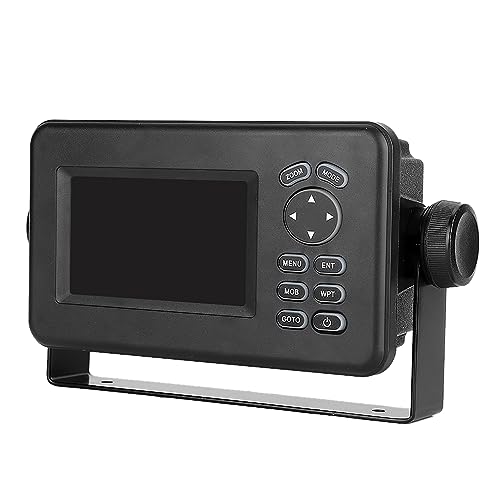
| Mounting style | How the unit fits on the boat | A poor fit can make the unit awkward to use or position | Mounting approach, viewing angle and available space at the helm |
| Controls and usability | How the unit is operated in real use | Simple controls can be easier when conditions are busy | Button layout, menu clarity and whether the interface suits your experience level |
| System compatibility | How well the unit works with other marine electronics | Some buyers want a stand-alone device; others want integration | Supported connections and whether it can fit the rest of your setup |
| Durability expectations | How well the unit is suited to marine conditions | Boats create a demanding environment | Build quality clues, installation guidance and any conditions stated by the manufacturer |
Key decision criteria
Screen size and readability
On a boat, a display needs to be easy to read quickly, often in changing light and at an angle. Bigger is not automatically better; the right size depends on the helm space and how far away you will view it. A well laid out smaller screen can sometimes be more practical than a larger one that is awkward to place.
Feature level
Some buyers only need position and route information, while others want a unit that can support more detailed navigation use. More features can be helpful, but they can also add complexity. The best choice is usually the simplest unit that still covers your intended use.
Mounting and installation fit
Think about where the unit will sit, how it will be viewed and whether the space allows a comfortable install. This affects visibility, reach and how tidy the helm feels. A unit that is technically suitable but hard to place well can be disappointing in day-to-day use.
Integration with other equipment
If the GPS unit needs to work alongside other marine electronics, check what it can connect with and how it fits into the wider setup. If you only need a standalone device, you may be able to keep the choice simpler. If integration matters, avoid assuming that every unit will work the same way.
Ease of use in real conditions
A marine GPS should be manageable when you are moving, wearing gloves or dealing with a busy helm. Clear menus and sensible control design can matter as much as headline features. For many buyers, usability is the difference between a device that gets used and one that feels fussy.
Common types and variants
Within this category, buyers are usually comparing simpler navigation-focused units with more feature-rich displays. The simpler option suits people who want straightforward location and guidance information without extra complexity. A more capable option may suit those who want broader marine electronics use, but it can be more involved to compare and set up.
There are also differences in how units are intended to be used on board, such as fixed helm installation versus a more compact arrangement. The practical question is not which type sounds more advanced, but which one fits your boat, your routine and your comfort with the interface.
Which type suits which buyer?
| Buyer need | What tends to suit | Why |
|---|---|---|
| Simple route and position checking | A straightforward unit with clear navigation information | It keeps the decision easy and avoids paying for features you may not use |
| Busy helm or quick glance use | A display that is easy to read and operate | Legibility and control simplicity matter more when time and attention are limited |
| Wider marine electronics setup | A unit that can integrate with other onboard equipment | Compatibility becomes more important when the GPS is part of a larger system |
| Limited space at the helm | A model that fits the available mounting area comfortably | Practical placement can matter as much as screen size or feature count |
| First-time buyer | Clear layout and uncomplicated operation | A simpler user experience usually makes setup and everyday use less daunting |
Common mistakes to avoid
- Choosing by feature count alone: more functions are not always more useful if they make the unit harder to read or operate.
- Ignoring helm space: a unit that looks ideal on paper may not sit well where you need it.
- Assuming all marine GPS units integrate the same way: compatibility can vary, so check the individual product details.
- Overlooking readability: a screen that is hard to scan quickly can be frustrating even if the specifications seem strong.
- Not matching the unit to the real boating use: a casual user and a more involved navigator may need very different levels of detail.
Safety and suitability caveats
A marine GPS unit is a navigation aid, not a substitute for good seamanship, local knowledge or other relevant equipment. Make sure the unit suits the boat, the mounting position and the way you expect to use it.
Check the product information carefully for any stated limitations, installation requirements and compatibility notes. If a setup depends on other marine electronics, confirm that the whole combination matches your intended use before buying.
Maintenance, storage and lifespan considerations
Marine equipment often faces vibration, moisture and changing temperatures, so a sensible buying choice should also consider how it will be looked after. A unit that is easy to keep clean, store correctly when not in use and protect from unnecessary exposure may be more convenient over time.
Where a model has specific care or power requirements, those should be checked on the product page. That is especially important if the unit will be used frequently or fitted into a wider onboard system.
How to compare options efficiently
- Decide whether you need simple position guidance or a more capable navigation display.
- Check that the screen size, layout and controls suit your helm space and usage style.
- Compare compatibility needs if the unit has to work with other marine electronics.
- Look at mounting and installation fit before focusing on extra features.
- Choose the simplest option that still meets your real navigation needs.
Buyer checklist
- Does the unit suit your intended boating use?
- Is the screen easy to read where it will be mounted?
- Do the controls feel practical for quick use?
- Will it fit the available space at the helm?
- Does it need to connect with other equipment?
- Have you checked any installation or compatibility notes?
- Is the feature level matched to your actual needs rather than extra complexity?
Frequently asked questions
Do I need a simple GPS unit or a more advanced one?
If you mainly want position and route information, a simpler unit may be enough. If you want broader display features or integration with other electronics, a more capable model may be worth considering. The right answer depends on how you use the boat rather than on which option sounds more impressive.
What matters most when comparing marine GPS units?
For many buyers, readability, mounting fit and ease of use matter most. After that, compare the level of navigation detail and any compatibility needs. Those factors usually affect day-to-day satisfaction more than headline feature lists.
Should I choose the largest screen available?
Not necessarily. A larger screen can be easier to see, but only if it fits the helm well and remains comfortable to use. The better choice is the screen size that balances visibility, space and layout.
How important is compatibility with other marine electronics?
It matters a lot if the GPS unit needs to work as part of a wider setup. If you only want a standalone device, compatibility may be less important. Either way, it is worth checking the individual product details rather than assuming all systems connect in the same way.
Is a more complex unit always better?
No. Extra functions can be useful, but they can also make the unit harder to learn and use. A simpler model can be the better buy if it covers the navigation tasks you actually need.
What should I check before buying for a small helm area?
Focus on mounting space, screen visibility and how easily you can reach the controls. In a tight area, a compact but readable unit is often more practical than one with a larger footprint. It is the fit to the boat that matters most.
Why do product pages need to be checked carefully?
Because specifications can vary by model, including features, mounting details and compatibility. A category guide can help you narrow the choice, but the individual product page is where you confirm the exact match for your boat and plans.
Position display or mapped navigation?
Check what navigation information the unit actually presents. Some devices focus on showing position, while others use charts to place that position in a wider navigational context. If you want mapped guidance, verify which chart coverage is included, whether additional charts are needed for your area and what the product information says about updates. Do not assume that every GPS unit includes the same mapping or chart functions.
A GPS unit and a chartplotter are related but not interchangeable terms. If your main requirement is chart-based navigation, make sure the device’s stated functions and supported charts meet that need rather than relying on the category name alone.
Portable or fixed installation?
A portable unit can suit buyers who want to move a device between locations or avoid fitting a permanent display, while a fixed installation may be more practical when the unit is intended to stay at the helm. These approaches bring different considerations: portability makes battery arrangements and secure storage worth checking; a fixed unit calls for closer attention to mounting, power and installation requirements.
Before choosing, confirm how the particular model is powered, what mounting is required and whether any needed accessories are included. Check the stated battery or power details for that model, rather than assuming they are the same across portable and fixed units.
More Marine GPS Units
See all 65 Marine GPS Units →


As an Amazon Associate we earn from qualifying purchases.