

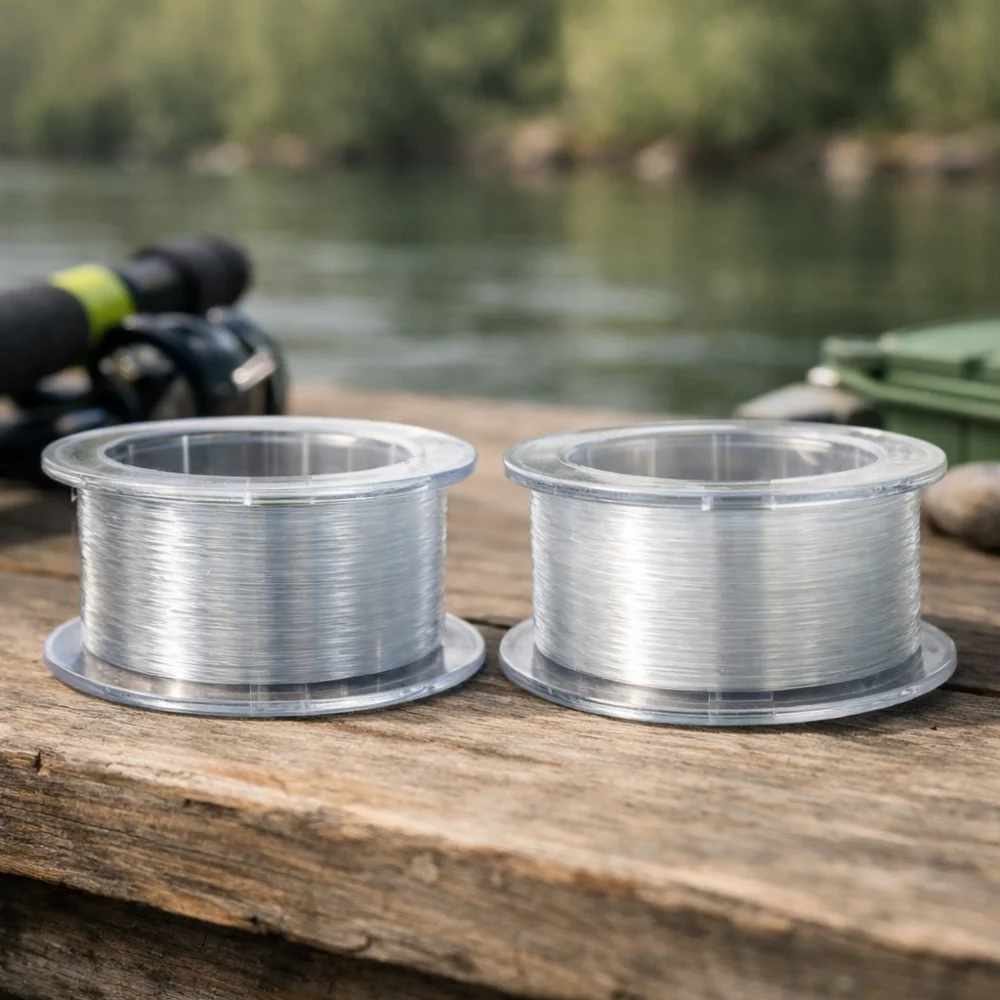
Monofilament line is a familiar choice for many anglers because it is simple to use and suits a wide range of fishing setups. If you are choosing line for the first time, replacing worn line or just trying to narrow down the options, the main challenge is knowing which characteristics matter for your style of fishing.
This guide focuses on the buying decisions that most often affect everyday results: thickness, breaking strain, stretch, handling and whether the line is suitable for your reel and target fish. It stays at category level, so you can compare options sensibly without needing to decode every label at once.
Whether you are after an easy all-round option or something more specific for a particular method, the useful questions are usually the same. How much feel do you want, how much abrasion resistance do you need, and how important is ease of casting or knotting for your setup?
What should you look for in monofilament line?
The right monofilament line is the one that matches your reel, your likely quarry and the way you fish. A good starting point is to balance strength, diameter and handling rather than chasing one feature in isolation. Stretch can be useful for cushioning sudden runs, while thinner line may help casting and reduce visibility, but every gain usually brings a trade-off elsewhere.
Specifications vary by model, so always check the individual product page before buying.
| Feature | What it means | Why it matters | What to check |
|---|---|---|---|
| Breaking strain | How much load the line is designed to handle before failing | It helps you match line to the size and power of the fish you expect | Look for a rating that suits your rod, reel and target species |
| Diameter | How thick the line is | Thicker line can be more robust, while thinner line may cast more easily | Compare diameter as well as strength, because the two do not always tell the same story |
| Stretch | How much the line gives under load | More stretch can soften sudden lunges, while less stretch gives a firmer connection | Think about the kind of bite detection and control you prefer |
| Handling | How easily the line coils, knots and comes off the spool | Good handling makes rigging simpler and reduces frustration on the bank | Check whether the line is described as supple or stiff, and whether that suits your reel |
| Abrasion resistance | How well the line copes with rubbing against cover or structure | Useful if you fish around snags, rocks or weed | Look for guidance from the product page, but remember that no line is immune to wear |
| Visibility | How noticeable the line may be in the water | Can matter when fish are cautious or the water is clear | Consider the water conditions and whether you prefer a more discreet option |
Key decision criteria explained
Strength and thickness are not the same thing
Anglers sometimes treat a higher breaking strain as automatically better, but that is only one part of the picture. Thicker line may feel sturdier, yet it can also affect casting distance, spool capacity and presentation. If you are choosing for lighter fishing, a line that is unnecessarily heavy can make the setup feel less balanced.
Stretch changes how the line behaves
Monofilament is often chosen because it has more stretch than some alternatives, which can help absorb sudden pressure. That can be reassuring when playing fish, but it may also reduce direct sensitivity. The right balance depends on whether you value forgiveness or immediate contact more highly.
Handling affects day-to-day use
Some lines are easier to knot, lay neatly on the spool and cast smoothly than others. That matters because a line that is awkward to manage can create hassle long before it becomes a technical issue. If you fish regularly, handling can be just as important as headline strength.
Match the line to the reel and method
Different reels and fishing methods place different demands on line. A spool that is too full, too small or poorly matched to the line type can be inconvenient even if the line itself is decent. Think about the complete setup, not just the spool on its own.
Common monofilament types and what they suit
Monofilament line is usually compared by its balance of strength, diameter, suppleness and visibility rather than by radically different constructions. That means the main choice is often between a more forgiving general-purpose line and a line tuned more closely to a particular style of fishing.
- General-purpose monofilament: suited to anglers who want an adaptable line for mixed use and straightforward handling.
- More supple line: may suit those who want easier casting or smoother presentation, though it can behave differently under load.
- More abrasion-focused line: may suit fishing around structure, where rubbing resistance is more of a concern than finesse.
The useful question is not whether one type is universally better, but which trade-off fits your fishing.
How different buyers can compare options
| Buyer need | What to prioritise | What to watch out for |
|---|---|---|
| Beginner or occasional angler | Straightforward handling and a balanced all-round specification | Overcomplicating the choice with features you may not notice yet |
| Angler fishing around cover | A line with stronger abrasion resistance and suitable strength | Ignoring diameter and knot choice, which can affect how the setup behaves |
| Angler who wants easier casting | Manageable diameter and supple handling | Choosing line that is too heavy for the reel or method |
| Angler looking for more control | A balance of strength, stretch and sensitivity that suits the method | Assuming one rating tells the whole story |
Common mistakes and misunderstandings
Choosing by strength alone: breaking strain is important, but line diameter and handling can change the practical result just as much.
Ignoring the reel: line that looks suitable in isolation may not fill or run on the reel in the way you expect.
Assuming stretch is always a disadvantage: some stretch can be helpful, especially when you want a little forgiveness in the system.
Overlooking wear: monofilament can be damaged by use and exposure, so it is sensible to replace line that looks tired or abraded.
Safety and suitability caveats
Fishing line should be chosen with the intended method, target fish and local conditions in mind. If you are unsure about a line’s suitability, check the product information rather than assuming that a familiar label means the same thing across all spools. Keep in mind that no line performs equally well in every situation, especially where snags, abrasion or long casting are factors.
Maintenance, storage and lifespan considerations
Monofilament is simple to own, but it still benefits from sensible care. Store spare spools away from excessive heat and direct sunlight where possible, and inspect line that has been used heavily for nicks, flattening or visible wear. If a line has been on the reel for a long time, its condition may matter more than how new it looked when first bought.
Also think about how often you fish. Regular use, heavy strain and rough conditions can all shorten the useful life of the line, so the most practical choice is often one that you are comfortable replacing when needed.
How to compare options efficiently
- Start with your fishing style and the conditions you usually fish in.
- Choose a strength and diameter that fit the reel, rod and target fish.
- Decide how much stretch and handling matter for your method.
- Check whether abrasion resistance or lower visibility is more important in your situation.
- Read the individual product page carefully before buying.
Summary buyer decision checklist
- Does the line suit your reel and fishing method?
- Is the breaking strain appropriate for the fish and conditions you expect?
- Does the diameter feel sensible for casting and spool capacity?
- Is the balance of stretch and sensitivity right for your style?
- Will the line be easy enough for you to knot, spool and manage?
- Have you checked the individual product information for any model-specific details?
Frequently asked questions
Is monofilament line a good choice for beginners?
It often is, because it is familiar, straightforward to handle and usually easy to understand when comparing options. Beginners still need to match the line to the reel and intended use, but monofilament is generally a practical place to start.
Should I choose thicker line for better performance?
Not always. Thicker line may offer more robustness, but it can also affect casting, spool capacity and presentation. The better choice is the one that fits the whole setup rather than the biggest number on the label.
How important is stretch in monofilament line?
Stretch is one of the main reasons some anglers prefer monofilament. It can add forgiveness under load, though it may also reduce direct feel. Think about whether you want more cushioning or a firmer connection to what is happening underwater.
Can I use the same monofilament for every fishing situation?
You can use one general-purpose line in more than one situation, but it will always involve compromise. If you fish in very different conditions, such as open water and snaggy areas, you may find different line characteristics more suitable.
How do I know if the line will suit my reel?
Check the product details and compare them with your reel and intended setup. The important points are usually the line diameter, intended use and whether the line characteristics suit the reel’s capacity and the way you fish.
Does monofilament need replacing?
Yes, eventually. Like any line, it can wear, lose condition or become damaged through use and storage. If it looks tired or has been heavily used, it is sensible to consider replacing it.
What is the main trade-off with monofilament?
The main trade-off is usually between ease of use and the specific advantages of other line types. Monofilament is often valued for its forgiving handling, but buyers still need to decide how that balance fits their fishing goals.