Monofilament Line
Monofilament Line is a straightforward choice for anglers who want a versatile fishing line for everyday use. It is commonly compared with braided and fluorocarbon lines because each type handles differently, so it helps to think about the kind of fishing you do and the line properties that matter most.
When browsing the options, check the line rating, spool length and intended use on each listing. It can also help to compare stretch, visibility and knot handling, as these factors often influence how a line feels on the reel and how it performs in practice.
 Buyers guideMonofilament Line Buyer GuideWhat to compare before you choose
Showing 1–12 of 148 results
-
Monofilament Line
0.8 mm x 200 m Monofilament Fishing Line with 120 Aluminium Crimp Sleeves
£5.99 View on Amazon


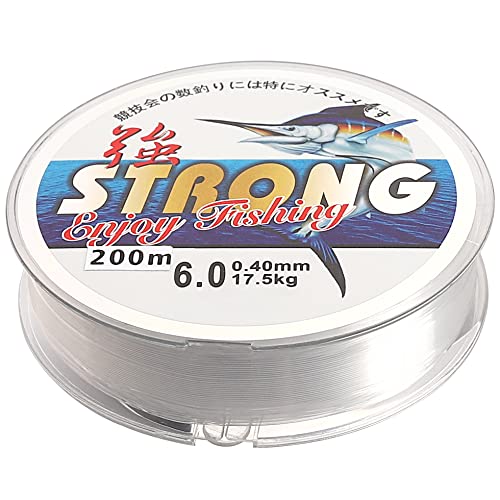


Monofilament Line is a staple category for anglers looking for a single, easy-to-understand line type to compare across different reels and fishing setups. It is often chosen for general-purpose fishing because it offers a familiar balance of handling and simplicity, but the best choice still depends on the way you fish and the conditions you expect to face.
What monofilament line is used for
Monofilament line is commonly used for a wide range of fishing situations where a straightforward line is preferred. Visitors browsing this category may be comparing line for fresh or saltwater use, lighter or heavier setups, or simply looking for a line that feels comfortable to cast and tie. The most useful detail is not the name alone, but how the individual product listing describes its intended use.
What to compare on individual listings
When choosing between products, line strength, spool length and line diameter are often sensible starting points if they are shown on the listing. It is also worth checking whether the line is presented as more suited to ease of use, casting comfort or a particular fishing style. These details can help narrow the choice without assuming that every monofilament line behaves the same way.
Another practical factor is how the line is described in relation to visibility and stretch. Those characteristics can affect presentation and feel, so they are worth reviewing carefully if you already know the style of fishing you want to support. If the product page gives knot or abrasion guidance, treat that as helpful listing-specific information rather than a universal rule for all monofilament line.
Choosing between line types
Monofilament line is often compared with braided line, fluorocarbon line and other fishing line options. Each category serves a slightly different purpose, so the most useful comparison is usually based on the balance you want between ease of handling, sensitivity and overall fishing style. If you are unsure, compare the product details and check the individual line descriptions rather than relying on the category name alone.
Care and condition
Before fishing, check the line for visible nicks, rough patches, knots or twists, especially on sections that have been used or exposed to obstacles. Damaged line may not perform as intended, so replace questionable sections rather than assuming the original rating still reflects their condition. Follow the product instructions for storage and handling.
Compare related line types
If you are weighing up alternatives, browse braided fishing line and fluorocarbon line alongside monofilament. Compare the stated details and intended use for each individual option against your fishing setup; the category name alone does not establish how a particular line will suit it.