

Choosing a mountain bike helmet is mostly about matching the helmet style to the kind of riding you do and the level of coverage you want. Trail, cross-country and more aggressive off-road riding can all call for slightly different priorities, even though the basic job is the same: comfortable, secure head protection designed for cycling.
This guide helps you compare the features that matter most, avoid common buying mistakes and narrow down the right type for your needs. It focuses on practical differences such as fit, coverage, ventilation and extra features, rather than brand names or one-size-fits-all recommendations.
Compare Mountain Bike Helmets


As an Amazon Associate we earn from qualifying purchases.
What should you look for in a mountain bike helmet?
The best starting point is fit, because a helmet that does not sit securely will not feel right on the bike. After that, think about the style of riding, how much airflow you want, and whether you prefer lighter coverage or a design with more protection around the back and sides of the head. The main trade-off is usually between ventilation, weight, coverage and the amount of confidence the helmet gives you on the terrain you ride most often.
Specifications vary by model, so always check the individual product page before buying.
| Feature | What It Means | Why It Matters | What To Check |
|---|---|---|---|
| Fit | How securely and comfortably the helmet sits on your head | Good fit helps the helmet feel stable and usable on longer rides | Size guidance, adjustment system and how the helmet is meant to be secured |
| Coverage | How much of the head the helmet surrounds | More coverage can suit more committed off-road riding, while less coverage may feel lighter and cooler | Shape around the temples, back of head and overall profile |
| Ventilation | How much airflow the helmet allows | Better ventilation can improve comfort on warmer days and longer climbs | Number and layout of vents, plus whether airflow is prioritised over extra coverage |
| Weight feel | How heavy the helmet feels when worn | A lighter-feeling helmet can be more comfortable over long rides | Product description and whether the model is aimed at lightweight trail or more robust use |
| Adjustability | Features that help dial in the fit | Useful for fine-tuning comfort and helping the helmet stay put | Dial systems, straps and whether the fit can be adjusted with gloves on |
| Extra riding features | Add-ons that support off-road use | May improve convenience depending on your riding style | Compatibility with visors or eyewear and any features described on the product page |
Key decision criteria explained
Fit and head shape
A helmet should feel snug without pressure points. Mountain bike helmets often vary in overall shape, so two helmets in the same nominal size can still feel different. If you are between sizes, the more secure and comfortable option is usually the one that follows your head shape best rather than the one with the most features.
Coverage versus airflow
Some riders prefer a helmet that feels compact and breezy, while others want more wraparound coverage for confidence on rougher trails. Extra coverage can make sense if your riding is more technical or you simply prefer a more enclosed feel, but it may also reduce ventilation. If you ride in warmer weather or climb for long periods, airflow may matter as much as protection style.
Visor and trail-friendly details
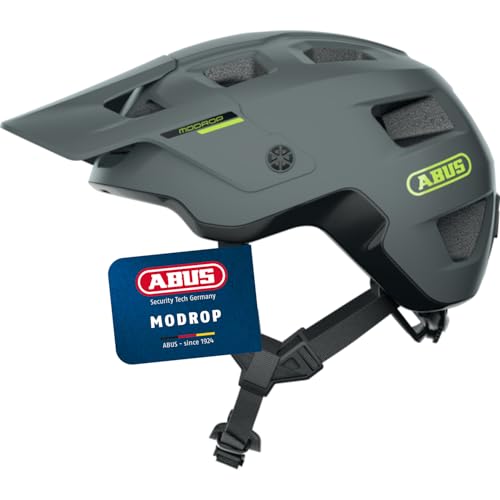
Many mountain bike helmets include a visor or similar trail-friendly shaping. These details can help with sun glare, brush and changing light, but they should be treated as practical extras rather than the main reason to buy a helmet. Check how the visor is integrated and whether the rest of the helmet still suits your riding position and eye protection.
Retention and adjustability
An easy-to-use adjustment system can make a helmet more convenient on every ride. The important point is not whether the system sounds advanced, but whether it helps you achieve a secure fit quickly and keep that fit stable during movement. For buyers who ride frequently, small comfort gains can matter more than extra styling.
Types and variants within mountain bike helmets
Within this category, the main variation is usually the balance between lighter trail-style designs and more coverage-focused options. Lighter helmets are often a sensible choice for general riding, mixed terrain and riders who value ventilation. More coverage-oriented designs may suit riders who want a sturdier feel or who spend more time on rough, technical trails.
Some helmets also lean towards all-day comfort, while others prioritise a more confidence-inspiring shape for aggressive riding. The right choice depends on where you ride most often and how much you value low weight, airflow and a compact fit versus additional coverage.
Which helmet suits which rider?
| Buyer need | What to prioritise | Why it helps |
|---|---|---|
| Casual trail rider | Comfort, easy fit adjustment and good ventilation | Makes shorter and mixed-pace rides feel easier to wear |
| Regular off-road rider | Balanced coverage, stable fit and practical trail features | Offers a middle ground for varied terrain and longer outings |
| Rider focused on technical trails | More secure feel and greater coverage | Can better suit a more committed riding style |
| Warm-weather rider | Airflow and lighter feel | Helps comfort on climbs and in hotter conditions |
| Gift buyer or first-time buyer | Simple sizing information and broadly versatile design | Reduces the risk of choosing something too specialised |
Common mistakes to avoid
- Choosing on looks alone. A helmet can look right but still feel wrong on your head. Fit and comfort should come first.
- Assuming more bulk always means better choice. Extra coverage can be useful, but it may also bring more weight or less ventilation.
- Overlooking adjustability. A helmet that is hard to dial in can be annoying to use, even if the basic size seems correct.
- Ignoring the riding environment. A helmet that feels ideal on dry, cool trails may not be as comfortable on hotter or longer rides.
Safety and suitability caveats
Mountain bike helmets are intended for cycling use, so check that the product is suitable for the kind of riding you plan to do. Consider whether the shape, coverage and fastening system make sense for your head size and riding style, and look carefully at the individual product page for any model-specific guidance. If you are buying for a younger rider or for more demanding terrain, it is especially important to avoid guessing about fit or suitability.
Maintenance, storage and lifespan considerations
General care is usually straightforward: keep the helmet clean, dry and stored away from excessive heat or crushing pressure. If a helmet has removable pads or other washable parts, those can make long-term use easier to manage, but not every model will include them. Even if a helmet still looks fine from the outside, it should be checked carefully after any significant impact and replaced if the product guidance says so.
How to compare options efficiently
- Start with the type of riding you do most often.
- Choose the amount of coverage and ventilation that suits that riding.
- Check fit guidance carefully and look for a secure adjustment system.
- Compare practical details such as visor design, comfort features and overall weight feel.
- Read the individual product page closely before deciding.
Summary buyer decision checklist
- Does the helmet suit the kind of mountain biking you actually do?
- Is the fit guidance clear enough for your head size and shape?
- Do you prefer more coverage or more ventilation?
- Will the adjustment system help you get a stable, comfortable fit?
- Are the trail-friendly details useful to you, or just cosmetic?
- Have you checked the individual product page for model-specific information?
Frequently asked questions
How is a mountain bike helmet different from a road helmet?
Mountain bike helmets usually place more emphasis on off-road comfort, coverage and trail-friendly features such as a visor. Road helmets often prioritise lighter weight and maximum airflow for a more upright, speed-focused riding style. The right choice depends on where and how you ride most often.
Do I need more coverage for trail riding?
Not always, but many riders prefer a helmet that feels a little more enclosing on rougher ground. More coverage can be reassuring, though it may come with less ventilation or a different feel on the head. The best choice is the one that matches your terrain and comfort priorities.
Is a visor essential?
No. A visor can be useful on bright, changing or brushy trails, but it is not the deciding factor for most buyers. Fit, comfort and helmet shape usually matter more.
What matters more: weight or ventilation?
Both matter, but the right balance depends on your riding. If you ride in warmer weather or climb for long periods, ventilation may be more noticeable. If you ride longer distances, a lighter-feeling helmet may be more comfortable overall.
Can I choose a helmet by size alone?
Size is a starting point, not the full answer. Two helmets with similar size ranges can fit very differently because of their internal shape and adjustment system. It is worth checking all fit information on the product page, not just the size label.
How do I know if a helmet suits a beginner?
A beginner-friendly choice is usually one that is easy to fit, comfortable to wear and not overly specialised. Clear sizing guidance and a versatile design are often more useful than a helmet with lots of extra features. The aim is to make the helmet easy to wear consistently.
More Mountain Bike Helmets
See all 54 Mountain Bike Helmets →


As an Amazon Associate we earn from qualifying purchases.