

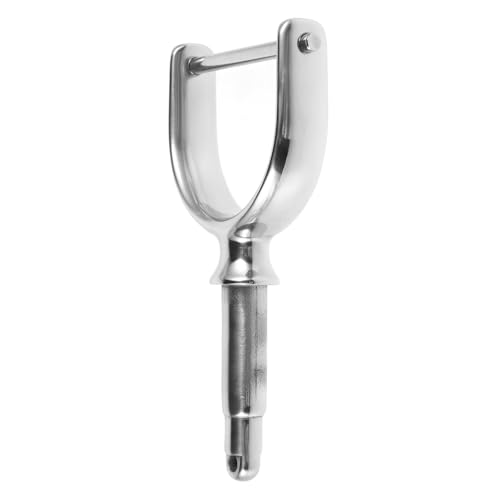
Oarlocks are a small but important part of rowboat and dinghy set-ups. They help keep an oar in the right position while still allowing the movement needed for rowing, so the main buying job is making sure the lock suits the boat, the oar shaft and the way you row.
If you are replacing worn hardware or fitting a new boat, it helps to think beyond shape alone. Material, fit, mounting style and whether the oarlock matches your oars can matter more than appearance.
This guide focuses on the practical choices shoppers usually need to make before buying, without assuming that one design suits every boat.
Compare Oarlocks



As an Amazon Associate we earn from qualifying purchases.
What should you look for in an oarlock?
The best starting point is fit: the oarlock should suit the boat’s existing fittings and the diameter or shape of the oar it will hold. From there, compare durability, ease of use and how much movement the lock allows during rowing. Specifications vary by model, so always check the individual product page before buying.
| Feature | What it means | Why it matters | What to check |
|---|---|---|---|
| Mounting style | How the oarlock attaches to the boat | It affects compatibility with existing fittings | Match the fixing style to the boat’s socket, pin or holder |
| Oar fit | The part of the oarlock that holds the oar | A poor fit can feel loose or awkward in use | Check the oar shaft size and shape the product is designed for |
| Material | What the oarlock is made from | It influences weight, wear resistance and suitability for wet conditions | Look for material details on the product page and compare them with how you use the boat |
| Movement and hold | How freely the oar moves and how securely it sits | Too much play can be uncomfortable; too little can feel restrictive | Read the product description for the intended level of retention and movement |
| Replacement or upgrade use | Whether the part is meant to replace existing hardware or improve a setup | Replacement jobs often need closer matching than first-time fittings | Check dimensions, fixing details and whether the part is intended for your kind of boat |
Key decisions that affect the right choice
Fit to the boat
Oarlocks are only useful if they match the boat’s fitting system. Some are designed for particular sockets, pins or holders, while others may suit a more general replacement job. The important question is not just whether it looks similar, but whether the fixing method and dimensions are right.
Fit to the oar
The way the oar sits in the lock affects comfort and control. If the opening or cradle is too small, the oar will not sit properly; if it is too large, the oar may feel insecure. For buyers replacing a single part, matching the oar shaft is often as important as matching the boat side.
Material and finish
Different materials can suit different levels of use and exposure. For example, you may prefer a sturdier-feeling option for regular rowing or a lighter option where weight is a concern. What matters most is how the material handles wear, corrosion and general handling in the conditions you expect.
Ease of use on the water
Some buyers mainly want an oarlock that is straightforward and predictable. Others care more about quick fitting or easy replacement. Think about whether you want a simple, no-fuss part or whether a more specific design is needed for your boat setup.
Types and variants you may come across
In this category, variation is usually more about fitting style and construction than about radically different uses. That means the main differences often come down to the way the oarlock attaches, the amount of movement it allows and the material used.
A replacement oarlock is usually chosen to match existing hardware as closely as possible. A new installation may give you more freedom to compare styles, but the boat’s fittings still set the boundaries. The practical question is always: what does your boat already accept, and what does the oar need to sit correctly?
Which oarlock suits which buyer?
| Buyer need | What tends to matter most | Why |
|---|---|---|
| Replacing a worn part | Exact fit and matching fixing style | Compatibility usually matters more than a change in design |
| Upgrading a working setup | Material, feel and durability | You may be trying to improve comfort or longevity rather than replace like for like |
| Buying for occasional rowing | Straightforward design and reliable fit | Simplicity can be more useful than a more specialised option |
| Buying for regular use | Durability, secure hold and easy handling | Frequent use tends to expose wear and fit issues sooner |
Common mistakes to avoid
- Assuming all oarlocks are interchangeable. Small differences in fixing style or size can make a part unsuitable for your boat.
- Checking only the boat side. The oar itself also needs to sit correctly, otherwise the setup may feel awkward.
- Overlooking the material description. The same general shape can behave differently depending on what it is made from.
- Choosing for appearance first. An attractive part is less useful if it does not suit the existing hardware.
Safety and suitability notes
Oarlocks should be chosen for the intended boat and use case, with attention to correct fit and secure attachment. If a part is loose, mismatched or unclear in the product information, it is better to pause and verify compatibility before buying.
They are a small part of the rowing setup, but they are still worth checking carefully because a poor match can affect control and comfort. For anything that depends on exact dimensions or a particular fitting type, rely on the individual product page rather than assumptions.
Care, storage and longer-term use
General care is usually simple: keep the part clean, check it for wear and store the boat and hardware in a way that limits unnecessary exposure. If the oarlock is metal or used in wet conditions, periodic inspection is sensible because small parts can show wear before the rest of the boat does.
It is also worth thinking about replacement over time. A buyer who rows frequently may value a design that is straightforward to inspect and swap, while someone who rows less often may care more about basic reliability and ease of storage.
How to compare oarlocks efficiently
- Confirm what kind of fitting your boat uses.
- Check that the oarlock suits the size and shape of the oar shaft.
- Compare material and durability for the conditions you expect.
- Decide whether you need a simple replacement or a more specific upgrade.
- Read the individual product page for the exact fit details before buying.
Summary buying checklist
- Does the fixing style match your boat?
- Will the oar sit correctly in the lock?
- Is the material suitable for your usual conditions?
- Are you replacing like for like or changing the setup?
- Have you checked the individual product page for dimensions and fit details?
Frequently asked questions
What does an oarlock do?
An oarlock holds the oar in position while still allowing the movement needed for rowing. It helps keep the oar seated so the rower can apply force more consistently. The exact feel depends on the design and how well it matches the boat and oar.
Are oarlocks all the same size?
No, they are not all the same size or shape. The fit can vary by mounting style and by the oar they are designed to hold. That is why checking dimensions and product details matters before buying.
Can I replace just one oarlock?
Often, yes, if the replacement matches the existing setup closely enough. Many buyers replace only the worn part when the rest of the rowing gear is still sound. If the remaining side is also worn, it may be sensible to compare both sides together.
How do I know if an oarlock will fit my boat?
Start with the boat’s existing fitting type and then check the product page for the stated dimensions or compatibility notes. The mount and the oar contact area both matter. If the product information does not clearly match your setup, it is safer to keep comparing.
Do material choices matter much for oarlocks?
They can matter, especially if the part will be used often or exposed to wet conditions. Material influences feel, wear and how the part ages in use. The most useful choice depends on whether you value simplicity, durability or a particular look and feel.
What is the biggest mistake buyers make with oarlocks?
The most common mistake is focusing on the general shape and ignoring the actual fitting details. Two parts can look similar but still not work with the same boat or oar. Matching the exact setup is usually more important than choosing by appearance alone.
More Oarlocks
See all 93 Oarlocks →


As an Amazon Associate we earn from qualifying purchases.