


If you are choosing a trolling motor battery, the main job is to find a balance between runtime, weight, charging convenience and compatibility with your setup. The right choice depends on how long you want to stay out, how often you use the motor and how much weight you are comfortable carrying.
This guide focuses on buying decisions rather than motor selection itself. It helps you compare battery types and the practical details that matter before you commit to a particular product page.
Because battery terminology can be confusing, it helps to separate the essentials from the extras. A battery that looks suitable on paper may still be awkward in a small boat if it is too heavy, slow to recharge or not well matched to your electrical needs.
Compare Trolling Motor Batteries
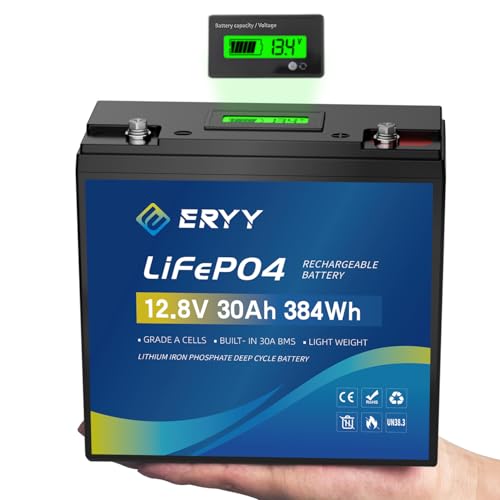

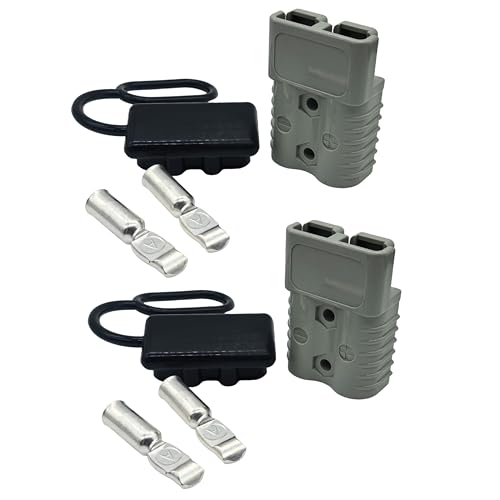


As an Amazon Associate we earn from qualifying purchases.
What should you look for in a trolling motor battery?
The best starting point is to match the battery to your trolling motor and the time you want on the water. After that, compare battery chemistry, capacity, weight and charging needs. A bigger or more advanced battery is not automatically the right answer if portability, storage space or budget matter more.
Specifications vary by model, so always check the individual product page before buying.
| Feature | What it means | Why it matters | What to check |
|---|---|---|---|
| Battery type | The battery chemistry or construction | It affects weight, charging behaviour and everyday handling | Confirm the type suits your motor, charger and usage pattern |
| Capacity | How much energy the battery can store | It influences how long you may be able to run the motor | Look for a capacity figure that fits your expected session length |
| Weight | How heavy the battery is to carry and install | It affects portability, trimming the boat and ease of storage | Check whether you can lift, move and secure it comfortably |
| Size and fit | Physical dimensions and terminal layout | It determines whether the battery will fit your battery space neatly | Measure the available area and compare it with the product details |
| Charging setup | How the battery is meant to be charged | It affects convenience and how quickly you can be ready again | Make sure your charger is suitable for the battery type |
| Intended use | Light, occasional or more demanding fishing use | It helps narrow the right balance of runtime and portability | Think about how often you fish and how hard you work the motor |
Key decision criteria
Battery type
Battery type is one of the biggest decisions because it shapes the whole ownership experience. Some batteries are simpler to handle, while others may offer better convenience, lighter weight or different charging needs. The trade-off is usually between upfront cost, ease of use and how much weight you want to carry.
When comparing options, check which battery type is recommended for your trolling motor and whether your existing charger is suitable. Do not assume every battery style behaves the same way in storage or charging.
Capacity and runtime expectations
Capacity is about how much energy the battery can hold, but real runtime depends on how hard the motor is worked, water conditions and boat load. That means two batteries with similar-looking descriptions can still feel different in use. If you often stay out for longer sessions, capacity tends to matter more than headline convenience.
For short, casual outings, a more modest battery may be enough. For longer trips or frequent use, it is sensible to compare capacity carefully and think about whether you want a margin rather than the smallest workable option.
Weight and portability
Weight is often overlooked until the battery has to be lifted in and out of the boat. Heavier batteries can be fine if they stay put in a fixed installation, but they may be awkward for smaller craft or frequent transport. Lighter options are easier to move, though they may bring other compromises depending on the battery type.
Consider the whole journey, not just the battery itself: carrying it from the car, placing it in the boat and storing it at home. If a battery is too awkward to handle safely and comfortably, it may not suit your routine even if the runtime looks attractive.
Charging and compatibility
Charging convenience matters because it affects how often the battery is ready to use. Some batteries need a charger that matches their chemistry and charging profile, so it is worth confirming compatibility before buying. A suitable battery is only useful if you can recharge it reliably in the way you expect.
Think about where you will charge it, how long you normally have between outings and whether you already own the right charger. If not, factor that into the comparison rather than treating the battery in isolation.
Physical fit and terminals
A battery can only be practical if it fits the available space cleanly and the terminals are easy to access. That matters in compact boats where space is limited and cable routing is tight. A poor fit can make installation awkward even if the battery itself is technically suitable.
Check the listed dimensions, terminal layout and any mounting or securing requirements on the product page. If space is tight, a small measurement error can make a big difference.
Common battery types and how they differ
At category level, the important distinction is usually between batteries that prioritise easier handling and batteries that prioritise longer use or different charging characteristics. Some shoppers are mainly trying to keep weight down, while others want a battery that feels straightforward to maintain. The main limitation is that no single type is ideal for every boat, charger and fishing pattern.
- Lightweight options may suit smaller boats or anyone who moves batteries regularly, but they still need to be checked for runtime and charger compatibility.
- Higher-capacity options may suit longer sessions or heavier use, but they can be larger, heavier or more demanding to store and charge.
- General-purpose options can be a sensible middle ground when you want balanced performance without making the setup overly complicated.
Which battery suits which kind of buyer?
| Buyer need | What to prioritise | Why | Possible trade-off |
|---|---|---|---|
| Occasional angler | Ease of use and straightforward charging | Simple ownership matters more than maximum runtime | May not offer the longest session time |
| Regular user | Capacity, durability and sensible weight | The battery needs to cope with repeated use | May cost more or be heavier |
| Small-boat owner | Compact size and manageable weight | Space and trim can matter as much as power | Less room for extra capacity |
| Long-session user | Higher capacity and compatible charging setup | Longer outings need more energy in reserve | Can mean more weight or larger size |
Common mistakes to avoid
- Choosing by battery type alone: a familiar chemistry is not enough if the battery is too heavy or does not fit the space properly.
- Ignoring the charger: the battery and charger should be considered together, not as separate purchases.
- Underestimating handling weight: a battery that is fine in the boat may still be inconvenient to carry, store or lift repeatedly.
- Assuming capacity tells the whole story: runtime depends on how you use the motor, not just the number on the product page.
Safety and suitability caveats
Trolling motor batteries should be chosen with the boat, charging setup and storage conditions in mind. Avoid guessing on compatibility if the product information is unclear, and do not rely on battery size or appearance as proof that it will suit your system.
It is also sensible to think about ventilation, secure placement and the practical limits of lifting and carrying. For electrical products, careful comparison is better than assuming that one battery will work equally well in every boat.
Maintenance, storage and ownership considerations
Different battery types may need different care, but a good buying decision should always include storage and charging habits. If a battery will sit unused for periods, it is worth checking what the product page says about upkeep and how it should be stored between trips.
Also think about the practical life of the battery in your routine. Frequent use, repeated deep discharge and unsuitable charging can all affect ownership experience, so the most convenient battery is often the one that fits your habits as well as your motor.
How to compare options efficiently
- Start with your boat size, trolling motor and the length of outing you usually plan.
- Choose the battery type that best suits your handling, charging and storage needs.
- Compare capacity, weight and physical fit rather than focusing on one number alone.
- Check charger compatibility and any notes on terminals, mounting or installation space.
- Confirm the individual product page for the details that matter before you decide.
Buyer checklist
- Does the battery type suit your trolling motor and charger?
- Is the capacity suitable for how long you usually stay out?
- Can you carry, install and store the battery comfortably?
- Will it fit the available space in your boat?
- Does the charging setup match what you already have or plan to use?
- Have you checked the individual product page for model-specific details?
Frequently asked questions
How do I know which trolling motor battery size I need?
Start with how long you expect to use the motor and how hard it will usually be worked. Then compare the battery capacity and physical size against your boat space and handling limits. If you are unsure, it is usually better to compare a few suitable capacities rather than guessing from the smallest option.
Is a lighter battery always the better choice?
Not always. A lighter battery is easier to carry and install, but you still need enough capacity for your typical outings. The right choice depends on whether portability or longer runtime matters more in your setup.
Do I need a special charger?
Sometimes, yes. The charger should be suitable for the battery type and charging requirements, so this is one of the first things to check. If you already own a charger, make sure it matches the battery before relying on it.
Can any trolling motor battery fit any boat?
No single battery suits every boat. Size, weight, terminal layout and charging compatibility all affect whether a product is practical for your setup. Always compare the product details with the available space and the needs of your motor.
What matters more, capacity or weight?
That depends on how you use the boat. Capacity is usually more important for longer sessions, while weight matters more if you carry the battery often or have limited space. The best option is the one that balances both in a way that suits your routine.
What should I check before buying online?
Check the battery type, capacity, physical size, weight and charger compatibility. It is also sensible to read the product page carefully for any model-specific notes on fit or use. That helps avoid buying something that is technically useful but awkward in practice.
Battery duty, chemistry and system voltage
A trolling motor is generally used for sustained power rather than the brief bursts associated with starting an engine, so check that the battery is intended for the duty your motor requires. A starting battery and a deep-cycle battery are designed with different uses in mind; do not assume a starting battery is a suitable substitute just because its voltage appears to match.
Chemistry also affects handling and charging requirements. Lead-acid options, including AGM types, and lithium batteries can differ in weight, care requirements and charger compatibility. These are general product distinctions, not a guarantee that every option in a category will suit your setup. Check the motor and battery manufacturers’ guidance alongside the individual product details.
Match the battery system voltage to the motor’s stated requirement. Do not infer compatibility from the battery’s appearance or from a connector fitting. If your setup uses more than one battery, confirm that the intended arrangement and charging equipment are supported before choosing components.
Understanding capacity figures
A capacity figure such as amp-hours can help compare batteries, but it does not translate directly into a guaranteed number of hours on the water. Motor demand changes with how it is used, and the conditions and other electrical loads on board can also affect how long a battery lasts. Compare capacity at the rating conditions shown in the product information, and use any manufacturer guidance to judge whether it suits your expected outings.
It is useful to compare battery capacity and weight together rather than seeking the largest figure alone. A higher-capacity option may be less convenient to carry or fit, while a lighter choice may require closer attention to how long you intend to run the motor.
More Trolling Motor Batteries
See all 43 Trolling Motor Batteries →


As an Amazon Associate we earn from qualifying purchases.