


Picnic food carriers help keep food organised and easier to transport when you are heading out for a meal away from home. They can range from simple insulated containers to more structured carriers designed to hold several items together.
The right choice depends on what you plan to pack, how far you are carrying it and whether you need insulation, compartment separation or easy cleaning. If you are comparing options for family outings, day trips or casual lunches, it helps to focus on practicality rather than on looks alone.
Because this category can cover different styles and sizes, the main decision is usually about how much structure and protection you need. Specifications vary by model, so always check the individual product page before buying.
Compare Picnic Food Carriers


As an Amazon Associate we earn from qualifying purchases.
What should you look for in a picnic food carrier?
The best starting point is your typical picnic. A lightweight carrier may be enough for sandwiches, fruit and drinks, while a more structured option can be useful if you want to keep several foods separate or reduce crushing in transit. The main trade-off is usually simplicity versus organisation and protection.
Choose the carrier type that fits your packing style, then compare size, closure, insulation and cleaning needs. A well-matched carrier should make loading, carrying and unpacking feel straightforward rather than complicated.
| Feature | What It Means | Why It Matters | What To Check |
|---|---|---|---|
| Capacity | How much food and drink it can hold | Helps you avoid overcrowding or carrying too much unused space | Whether it suits one person, a couple or a family outing |
| Structure | Flexible, semi-rigid or rigid build | Affects how well contents stay protected in transit | Whether you need compact packing or more crush resistance |
| Insulation | Whether the carrier helps keep contents cooler or warmer | Useful for chilled items or longer journeys | Any insulation details listed on the product page |
| Organisation | Compartments, inserts or separate sections | Helps keep foods apart and easier to serve | Whether you need simple open space or divided storage |
| Cleaning | How easy it is to wipe down or wash | Important for repeated use and food spills | Materials and care notes for the individual model |
| Carry method | Handles, straps or a shape that is easy to hold | Affects comfort when walking from car, train or car park | How you will actually carry it on a typical outing |
Key decision criteria explained
Capacity and packing style
Think about what you usually bring. Some buyers only need room for a few lunch items, while others want space for several dishes, snacks and drinks. Bigger is not always better, because extra space can make the carrier awkward to carry or encourage overpacking.
Protection and structure
If your food is delicate, a firmer carrier may help keep items from being squashed. Softer styles can be easier to store when empty, but they may offer less protection for stacked containers or fragile baked goods. This is one of the most useful comparisons when deciding between similar products.
Insulation and temperature control
Some picnic food carriers are chosen mainly for food organisation, while others are selected because they help manage temperature for a short period. If you expect a longer journey or a warm day, insulation may matter more than decorative features. Check carefully whether any thermal claim is described for the specific product rather than assuming all carriers perform the same way.
Cleaning and everyday use
Food carriers are easier to live with when they are simple to clean after crumbs, spills or condensation. Smooth interiors, removable inserts and wipeable surfaces can make a practical difference over time. If you will use the carrier often, this is worth comparing as closely as capacity.
Some buyers also prefer a carrier that stores flat or folds away when not in use, especially if cupboard space is limited. That convenience can matter more than a slightly more rigid shape if you only take picnics occasionally.
Common types and how they differ
Soft carriers
These are generally useful when compact storage matters and the load is fairly light. They may suit simple lunches or smaller picnic loads, but they usually offer less protection against crushing.
Rigid or structured carriers
A structured carrier can be helpful when you want contents to stay organised and better supported. The trade-off is that it may take up more space when stored and can feel less flexible to pack around irregular items.
Insulated carriers
These are worth considering if temperature control is important to your outing. They are often more relevant for chilled foods, drinks or longer travel times, but you should still check what level of insulation the individual product actually offers.
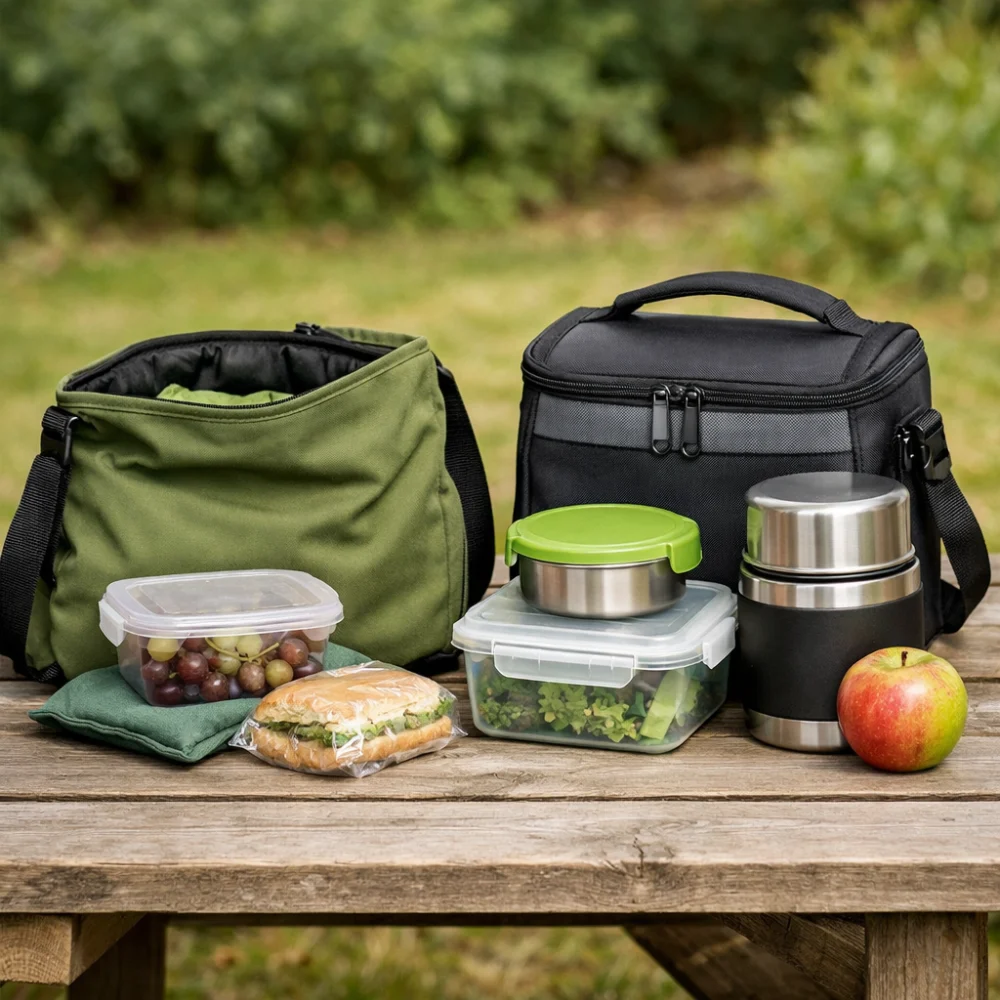
Which type suits which buyer?
| Buyer need | Useful features | What to prioritise |
|---|---|---|
| Simple lunch trips | Lightweight, easy to carry, easy to clean | Convenience and compact size |
| Family picnics | Larger capacity, better organisation, sturdy build | Space and practicality |
| Longer outings | Insulation, secure closure, protective structure | Keeping food in good condition for longer |
| Occasional use | Simple design, easy storage | Value and low fuss |
| Regular use | Durable materials, straightforward cleaning | Ease of upkeep over time |
Common mistakes to avoid
- Choosing a carrier only by appearance and finding it awkward to pack or carry later.
- Assuming all insulated carriers perform the same way, when insulation details can vary.
- Buying more capacity than you need, which can make the carrier bulkier than necessary.
- Overlooking cleaning, which matters if you want to reuse the carrier often.
- Ignoring how you will carry it from the kitchen to the picnic spot.
Safety and suitability caveats
Picnic food carriers are a practical purchase, but they should still suit the food you plan to transport and the way you travel. If you need to keep chilled or hot food within a specific temperature range, check the product information carefully rather than relying on the category name alone.
Also consider whether the carrier is suitable for the containers you already use, how securely it closes and whether it is easy to clean after direct food contact. That is often more important than any decorative detail.
Maintenance, storage and lifespan considerations
Simple care can make a food carrier much easier to use over time. Wiping it out after each trip, letting it dry properly before storing it and avoiding unnecessary squashing can help it stay tidy and usable for longer.
If the design includes inserts, removable sections or insulation materials, think about whether those parts are easy to maintain in normal home conditions. A carrier that is easy to store and clean is often the more practical choice for repeated picnics.
How to compare options efficiently
- Decide what you normally pack and how many people the carrier needs to serve.
- Choose the style that fits your outing, such as soft, structured or insulated.
- Compare capacity, organisation, cleaning and carry comfort.
- Think about the trade-off between compact storage and better protection.
- Check the individual product page for the exact details before deciding.
Summary buyer decision checklist
- Does the size fit your usual picnic load?
- Is the structure appropriate for the food you carry?
- Do you need insulation or mainly organisation?
- Will it be easy to clean after use?
- Is it comfortable and practical to carry?
- Does it store neatly when not in use?
Frequently asked questions
What is a picnic food carrier used for?
It is used to transport picnic food in a more organised and practical way than loose bags or boxes. Depending on the design, it may help with carrying, storage, temperature control or keeping items from being crushed.
Do I need an insulated carrier?
Not always. Insulation is most useful if you are carrying chilled food, warm food or items that need a little extra temperature help during travel. For short trips with non-perishable snacks, a simpler carrier may be enough.
Is a rigid carrier better than a soft one?
Neither is automatically better. Rigid carriers usually offer more protection, while soft carriers are often easier to store and lighter to handle. The better choice depends on whether you value protection or compactness more.
How do I know what size to choose?
Start with the amount of food you usually take and whether the carrier needs to serve one person or several. It is often best to choose a size that fits your normal use rather than buying a larger one just in case.
What matters most for easy cleaning?
Look for surfaces and layouts that are straightforward to wipe down, especially if you expect crumbs or spills. Removable sections can also make cleaning more manageable, but check the product details for the exact design.
Can I use a picnic food carrier for work lunches?
Often, yes, if the size and layout suit your routine. A compact carrier may work well for lunches, but if you need to transport several containers or keep food chilled for longer, it is worth choosing a more suitable style.
Check usable space and the packed load
A stated capacity does not always show whether a carrier will fit the containers you already use. If dimensions are provided, compare them with your packed dishes, bottles or lunch boxes, allowing for their shape and how they need to sit. A carrier with plenty of overall space may still be awkward if its usable compartment is too narrow or shallow.
Think about the loaded carrier, not just its empty weight. Food and drinks add weight, and a bulky or uneven load can be less comfortable to carry on a longer walk or when changing transport. Consider whether the handles or strap suit the way you expect to carry it, and avoid choosing extra capacity you are unlikely to use.
More Picnic Food Carriers
See all 160 Picnic Food Carriers →


As an Amazon Associate we earn from qualifying purchases.