

Picnic mats are a simple purchase, but the right choice depends on where you plan to use it, how many people need to sit on it and how much carrying you are happy to do. Some buyers want a compact mat for a quick stop in the park, while others need something larger and more comfortable for longer days out.
This guide focuses on the practical differences that matter before you buy. It should help you compare materials, size, comfort and ease of packing without turning the decision into a guessing game.
What should you look for in a picnic mat?
The most useful starting point is to match the mat to the ground and the outing. A good picnic mat balances comfort, portability and the amount of protection you want from damp or uneven surfaces. The main trade-off is usually between a thicker, more comfortable mat and one that packs smaller and is easier to carry.
Specifications vary by model, so always check the individual product page before buying.
| Feature | What It Means | Why It Matters | What To Check |
|---|---|---|---|
| Size | The amount of space the mat gives you once laid out | It affects how many people can sit comfortably and whether bags or food fit beside you | Look at the stated dimensions and think about your usual group size |
| Carry weight and packability | How easy the mat is to fold, roll or carry | Important if you walk far, travel by public transport or want something quick to store | Check packed size, folded shape and whether it has a carry strap or handle |
| Ground insulation | How much separation the mat gives from cold or damp ground | Useful for comfort on grass, sand or slightly uneven surfaces | Look for the material description and whether the underside is designed for outdoor use |
| Surface comfort | How pleasant the top surface feels to sit on | Mat texture can make a difference during longer pauses or family picnics | Consider whether the finish looks soft, wipe-clean or more rugged |
| Cleaning | How easily the mat can be wiped down or shaken out | Spills, grass and sand are part of picnic use | Check the care notes and whether the material is described as easy to clean |
| Durability | How well the mat may stand up to repeated folding and outdoor use | Helps if you plan to use it often or carry it with other gear | Look for reinforced edges, sturdy stitching or a tougher outer surface where relevant |
Key decision criteria
Size and shape
Size is often the first thing to get wrong. A mat that is fine for one or two people may feel cramped once you add food, drinks and a bag. If you usually picnic as a pair, a smaller mat may be easier to carry; if you go out with children or friends, a larger layout can be more practical.
Comfort versus portability
Thicker or more cushioned mats can be more pleasant on firmer ground, but they may also be bulkier when folded. Lighter mats are easier to take on walks and day trips, but they may offer less comfort for long sitting. Think about whether you want the mat to be part of a short stop or the centre of a longer outing.
Surface and underside materials
The top surface affects comfort and cleaning, while the underside affects how the mat copes with the ground. A wipe-clean surface can be handy for messy snacks, but some buyers prefer a softer feel. The underside matters if you are likely to use the mat on damp grass or rougher ground.
Ease of packing and carrying
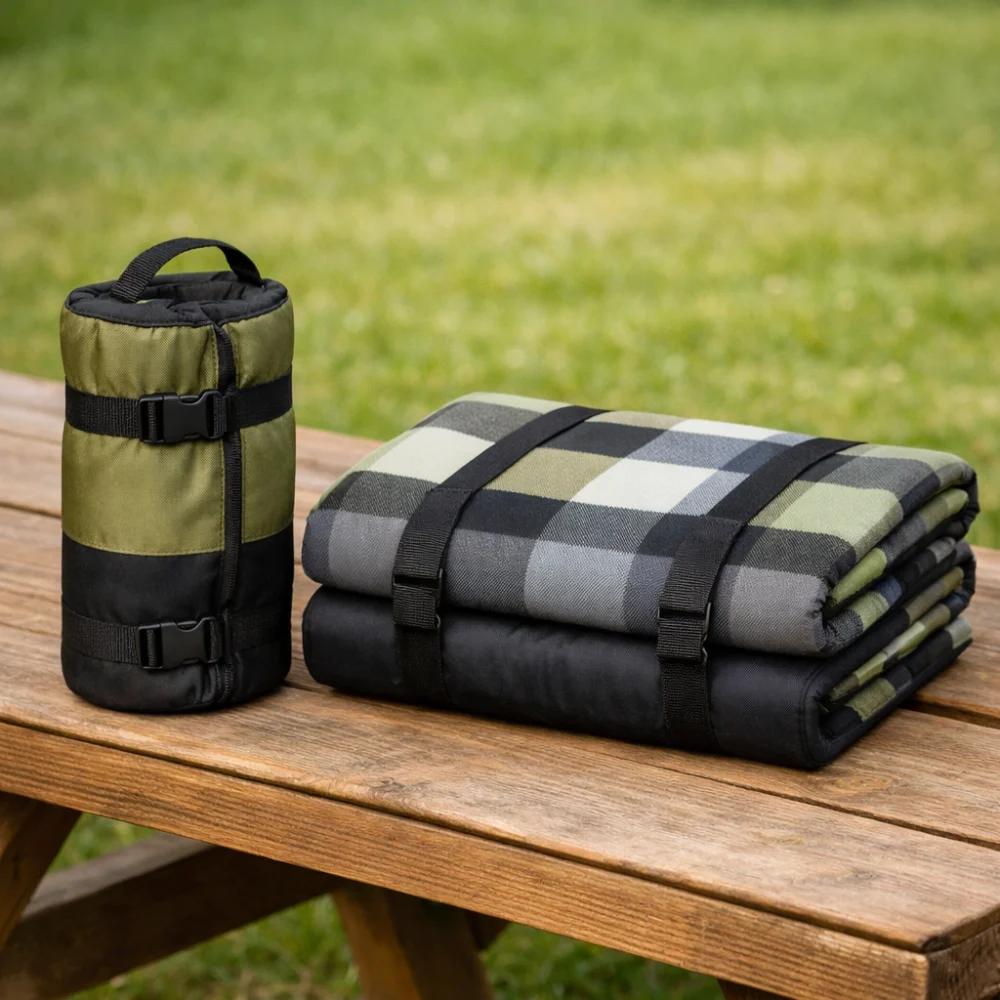
A mat that folds neatly and secures well is easier to bring along without becoming annoying to use. If you are travelling with children, carrying other items or walking to your picnic spot, small details such as handles or a tidy folded shape can matter more than they seem at first glance.
Common types and variants
Picnic mats are usually chosen more by construction and convenience than by strict product type. Some are simple, lightweight mats for casual use, while others are more substantial and aimed at comfort on longer outings. You may also see differences in folding style, surface finish and whether the mat is intended to be more wipe-clean or more cushioned.
If you only want something for occasional use in fair weather, a simpler mat may be enough. If you want a regular outdoor layer that is easier to sit on for longer periods, focus more on size, cushioning and durability.
Which picnic mat suits which buyer?
| Buyer need | What to prioritise | Why |
|---|---|---|
| Short park visits | Light weight, compact folding and quick setup | Convenience matters more than extra padding |
| Family picnics | More space, easier cleaning and a surface that handles regular use | Food, movement and extra items soon take up room |
| Walking or day trips | Low packed bulk and easy carrying | Anything awkward to carry is less likely to be used |
| Longer outdoor sits | Greater comfort and better separation from the ground | Small comfort differences become more noticeable over time |
Common mistakes to avoid
- Choosing by looks alone. A picnic mat needs to suit the ground and the way you travel with it, not just the colour or pattern.
- Ignoring packed size. A mat may look simple in a product photo but still be awkward to store in a bag or boot.
- Underestimating how much space you need. Food, children and extra layers all use more room than a simple seated area.
- Overlooking cleaning. Outdoor mats are easier to live with when spills and dirt are easy to deal with.
Safety and suitability caveats
Picnic mats are generally straightforward purchases, but suitability still matters. Check that the size, material and intended use match the surfaces you expect to use them on, especially if the ground is damp, gritty or uneven. If you need a mat for a particular setting or regular outdoor use, the product details are the place to confirm whether the construction suits that purpose.
Care, storage and lifespan considerations
Picnic mats usually last better when they are cleaned after messy outings and stored dry. Folding and rolling can gradually affect how neatly they pack, so it helps to avoid forcing them into a shape that strains the edges. If a mat relies on a particular finish or backing for outdoor use, regular care matters more than occasional use alone.
How to compare picnic mats efficiently
- Start with the outing: decide whether you need a mat for short stops, family use or longer comfort.
- Compare size first: make sure the mat gives enough room for the people and items you usually bring.
- Check portability next: packed size, weight and carrying method can make the biggest difference day to day.
- Look at cleaning and surface feel: choose the balance that suits how messy or relaxed your picnics tend to be.
- Read the product page carefully: confirm the material description, folding style and any care notes before deciding.
Picnic mat buyer checklist
- Will the mat be large enough for your usual group?
- Is it easy to carry, fold and store?
- Does the surface suit the way you plan to use it?
- Will it be easy to clean after outdoor use?
- Does the construction look suitable for grass, sand or other ground conditions you expect?
- Have you checked the individual product page for the exact details?
Frequently asked questions
What is the main difference between a picnic mat and a picnic blanket?
The terms are often used in similar ways, but buyers usually think of a picnic mat as a practical outdoor layer rather than a soft household-style blanket. The most important point is not the label itself, but whether the item is comfortable, portable and suitable for the ground you plan to use it on.
How big should a picnic mat be?
That depends on how many people will use it and whether you want room for food or bags as well as sitting space. It is usually better to allow a little extra space rather than choosing the smallest size that sounds sufficient.
Are thicker picnic mats always better?
Not always. Thicker mats may be more comfortable, but they can also be heavier or less convenient to carry. The better choice depends on whether comfort or portability matters more for your outings.
What matters most for easy cleaning?
A surface that can be wiped down or shaken clean is usually easier to live with after a picnic. It is worth checking the care notes so you know whether the mat is meant for quick maintenance or more careful cleaning.
Can one picnic mat work for both the beach and the park?
It can, provided the material and construction suit both settings. The main thing to check is whether the mat feels practical on the surfaces you expect to use most often, because sand and grass can place different demands on cleaning and comfort.
What should I check before buying if I carry it on foot?
Focus on packed size, weight and how neatly it folds or rolls. A mat that is easy to carry is much more likely to get used regularly than one that feels awkward on the way to the picnic spot.
How do I know if a picnic mat will suit my family?
Think about how much room you need for people, snacks and extra items, then compare that with the laid-out size on the product page. Families often benefit from choosing a bit more space than they first expect to need.