Fish Finders
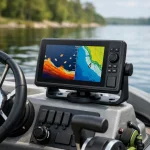
Fish finders help you locate fish, read underwater structure and make better sense of what is beneath the boat. This category is useful when you want to compare compact units and more advanced models for different boats, budgets and styles of fishing.
When reviewing the options, check the screen size, display clarity and the type of sonar or transducer support each listing offers. It is also worth confirming how the unit is mounted and whether the controls and power requirements suit your boat setup.
 Buyers guideFish Finders Buyer GuideWhat to compare before you choose
Showing 1–12 of 76 results
-
Fish Finders
1080P Underwater Fishing Camera with 4.3 in Screen and 30 m Cable
£49.99 View on Amazon -
Fish Finders
2.4GHz Wireless WiFi Antenna with 90 Degree Hinge and SMA Male Connector
Original price was: £15.99.£12.99Current price is: £12.99. View on Amazon -
Fish Finders
4.3″ IPS Underwater Fishing Camera with 30 m Cable and Carry Bag
Original price was: £44.99.£42.74Current price is: £42.74. View on Amazon -
Fish Finders
BEETACKLE Wireless Castable Sonar Fish Finder with GPS and App Mapping
£189.00 View on Amazon -
Fish Finders
Castable Wireless Fish Finder Sonar with Handheld Display, 45 m Depth
£67.96 View on Amazon -
Fish Finders
Chasing Canfish CF1 Underwater Fishing Camera Kit with 1080P HD Video
£207.79 View on Amazon


Fish finders are marine electronics designed to give a clearer view of what is happening below the waterline. They are commonly used to identify depth changes, fish activity and underwater features that may be relevant when fishing from a boat. As products in this category can vary widely, it helps to compare the display, sonar functions and installation requirements rather than assuming every unit works in the same way.
What to compare in a fish finder
Screen size and readability are often important because the display needs to be easy to interpret in changing light and movement. Some buyers prefer simple units that focus on depth and basic fish detection, while others look for models with more detailed information about structure or wider sonar options. The right choice usually depends on how much detail you want on screen and how straightforward you want the controls to be.
Sonar and transducer compatibility
Many fish finders rely on a compatible transducer to send and receive signals, so it is sensible to check what is included and what additional parts may be required. Product descriptions may also refer to different sonar capabilities, which can affect how the device presents depth and underwater features. If you are comparing several listings, review the individual product details carefully to make sure the unit suits your boat and intended use.
Mounting, power and boating setup
Practical fit matters just as much as display features. Some units are easier to mount on smaller boats, while others are better suited to more permanent installations. It is also worth checking power connection details and any dimensions shown on the product page, especially if space at the helm is limited. For many shoppers, the best choice is the one that fits neatly into the existing setup and is simple to use on the water.
Because fish finders are often compared alongside other marine electronics, you may also want to look at related categories such as Boat Depth Finders, Chartplotters and Marine GPS Units if you want to compare different navigation and detection functions.
Portable or installed systems
Consider whether you want a unit that can be moved between boats or used in different locations, or one intended to stay fitted to a particular boat. For portable and handheld options, check how the display and transducer are positioned during use, and what power arrangements are needed. For a more permanent setup, confirm that the proposed mounting position and transducer installation suit the boat.
Reading the display
A fish finder presents sonar information to help you interpret depth and underwater features; the display is not a guarantee that fish are present or that every feature will be identified clearly. Familiarise yourself with the controls and instructions, and consider how water conditions and the transducer setup may affect the information shown.