Bike Cassettes
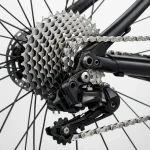
Bike cassettes are the rear gear clusters cyclists compare when replacing drivetrain parts or matching a new setup. This category helps you review cassette range, sprocket spacing and compatibility with the rest of the bike so you can narrow down the options with confidence.
When comparing listings, check the number of speeds, the smallest and largest sprocket sizes, and whether the cassette suits your chain and rear derailleur. Small differences can affect shifting feel and climbing range, so it is worth checking the individual product details before choosing.
 Buyers guideBike Cassettes Buyer GuideWhat to compare before you choose
Showing 1–12 of 84 results
-
Bike Cassettes
2-in-1 Bike Freewheel and Cassette Removal Socket Tool
Original price was: £6.19.£5.99Current price is: £5.99. Product info -
Bike Cassettes
5-Piece Bike Chain Removal Tool Kit with Crank Extractor
Original price was: £10.99.£10.44Current price is: £10.44. Product info -
Bike Cassettes
5-Piece Bike Chain Removal Tool Kit with Crank Puller and Cassette Tool
£11.39 Product info -
Bike Cassettes
9 Speed Bike Freewheel Cassette Sprocket 11-42T for Mountain Bikes
£23.99 Product info


Bike cassettes are the stack of rear sprockets that work with the chain and rear derailleur to provide different gear options. They are a key part of the drivetrain, so the right choice usually depends on how the bike is used and what the rest of the transmission is set up to accept.
What to compare in a bike cassette
The most useful details are often the speed count, the spread of the sprockets and the cassette’s compatibility with the drivetrain. Some riders want closer gearing for smoother cadence changes, while others prefer a wider range for easier climbing or more flexibility on mixed routes. The exact choice depends on the bike and the way it is ridden.
It is also sensible to check the lockring or freehub standard mentioned on each listing, along with any notes about chain and derailleur compatibility. These details matter because a cassette may fit only certain drivetrain combinations, even when the overall category looks straightforward.
Choosing the right range
Different cassettes can create noticeably different gear steps. A wider-range cassette can make lower gears easier to access, which may suit hills or loaded riding, while a tighter range may keep cadence changes smaller between shifts. Neither option is automatically better; the most suitable choice depends on riding style and the rest of the bike.
If you are replacing an existing cassette, it is worth comparing the current gearing and checking the product page carefully rather than assuming a like-for-like fit. If you are upgrading parts together, it may also help to review how the cassette works with the chain, shifter and rear derailleur as a complete system.
Checking product details before you compare
Because cassette listings can vary in speed count, sprocket range and compatibility, the individual product information is the best place to confirm fit. Look for clear details on drivetrain matching and any special requirements, then compare the options that suit your bike. That approach makes it easier to narrow the category to the cassette that matches your setup and riding needs.