Bikepacking Bags
Bikepacking Bags help riders carry kit securely on the bike rather than on their back, making it easier to pack for longer rides, overnights or self-supported trips. This category covers the main bag styles used to distribute luggage across the frame, handlebars, saddle area and other mounting points.
Compare the shape, mounting style and capacity of each option, along with how well it suits your bike and riding setup. Some bags are designed to maximise space, while others prioritise easy access or a smaller profile for technical routes.
-
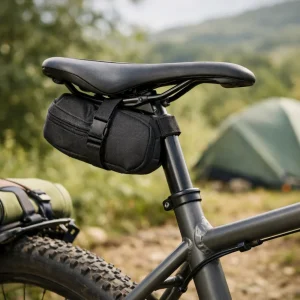
Bike Saddle Bags118 Products
-
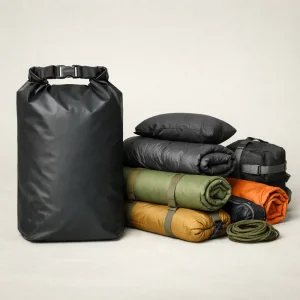
Bikepacking Dry Bags31 Products
-
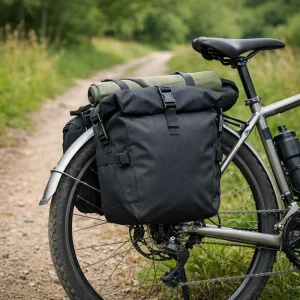
Bikepacking Panniers73 Products
-
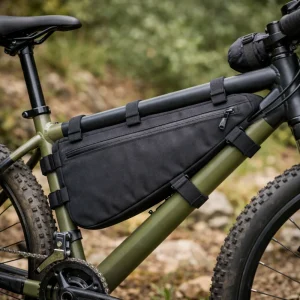
Frame Bags87 Products
-
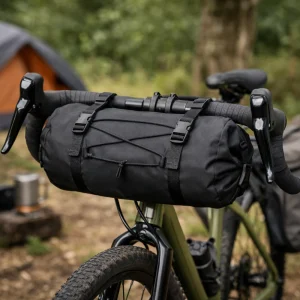
Handlebar Bags119 Products
-
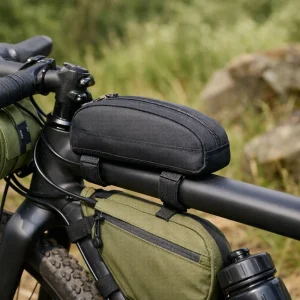
Top Tube Bags101 Products
Choosing the right bikepacking bag setup
Bikepacking Bags are designed for carrying ride essentials, clothing and camping kit on the bicycle itself. The exact mix of bags you need often depends on the type of trip you are planning, the amount of space on your frame and how you prefer to access your kit while riding. Some riders want a compact setup that keeps the bike agile, while others need a more spacious arrangement for multi-day travel.
Because this category includes several bag types, it helps to think about where the load will sit on the bike. A bag placed on the frame can make good use of otherwise unused space, while a handlebar, saddle or top tube bag may be chosen for items you want to reach quickly. Checking how each design attaches is important, especially if your bike has a small frame, limited clearance or additional accessories fitted.
How the main bag types differ
The child categories here cover the most common bikepacking choices. Frame Bags sit within the main triangle of the bike, which can help with weight distribution. Handlebar Bags are often used for bulkier or frequently accessed items at the front of the bike. Bike Saddle Bags mount behind the saddle and may suit lighter kit or compact packing.
For riders who want a more weather-resistant storage style, Bikepacking Dry Bags are commonly used to keep contents organised inside a larger setup. Top Tube Bags are useful when you want fast access to snacks, tools or other small items. If you need a different carrying approach altogether, Bikepacking Panniers may suit trips where extra capacity is more important than keeping the system ultra-compact.
What to check before you choose
When comparing listings, look at the mounting system, the available capacity and the overall shape of the bag. Compatibility with your bike frame, handlebars, saddle area or rack setup can make a significant difference to fit and comfort. It is also worth checking whether the bag is intended for frequent access, long-distance packing or a more streamlined ride position.
As with any cycling luggage, individual product details matter. Check dimensions, fastening method and any guidance on suitable bike types before you decide. That makes it easier to build a bikepacking setup that suits both your route and the amount of kit you need to carry.
Plan the load around the bike
When combining bags, consider how the weight is spread as well as how much each one holds. Keeping denser items low and near the centre of the bike, where the setup allows, can help avoid concentrating the load at one end. Lighter, bulky items may be easier to place elsewhere, while essentials needed during a ride are often more convenient in an accessible bag.
Before setting off, check that bags and fastenings stay clear of your legs, cables, brakes, wheels and any moving suspension parts. Pack the bike as you intend to ride it, then check that straps are secure and the load does not shift when the bike is handled. A short test ride can reveal awkward access or balance issues before a longer journey.