Nymph Flies
Nymph Flies are fly-fishing patterns designed to imitate underwater stages of aquatic insects and similar food sources. Anglers compare them for the waters they fish, the depth they want to reach and the kind of prey they are trying to suggest to feeding fish.
When browsing nymph patterns, it helps to consider size, weight and general style, along with whether a fly is intended for faster runs, deeper pools or more delicate presentations.
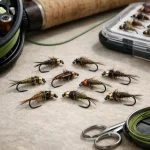 Buyers guideNymph Flies Buyer GuideWhat to compare before you choose
Showing 1–12 of 66 results


Nymph Flies are a core part of fly fishing because they are used to suggest the underwater life that many fish feed on below the surface. This category covers patterns suited to nymph-style presentation, helping anglers choose flies for different water conditions, drift styles and feeding behaviour.
What nymph patterns are used for
Nymphs are commonly chosen when fish are feeding below the surface rather than taking dry flies on top. They can be fished in a range of ways, from a simple drifting presentation to more deliberate tactics that place the fly deeper in the water column. The right choice often depends on the river, stillwater or stream conditions, as well as how active the fish appear to be.
What to compare when choosing
Useful differences to compare include the fly’s general shape, size and any features that affect how it fishes in the water. Some nymphs are designed to sink more readily, while others focus on a more natural look or a lighter presentation. It can also help to think about the species and food items common in the waters you fish, then check individual product details for the pattern style and intended use.
Colour can matter too, but it is usually best treated as part of the overall impression rather than a guarantee of success. Subtle patterns often suit clearer conditions, while more visible designs may be useful in coloured water or lower light. The best approach is usually to compare a few options and match them to the way you prefer to fish.
Building a practical fly selection
Many anglers keep a small mix of nymph styles so they can adapt to changing conditions without overcomplicating their kit. That may include different sizes, profiles and presentation styles for varying depths or flow speeds. If you are browsing several listings, check the pattern description carefully and use the individual product page to confirm the details that matter most for your setup.