


Target faces are the printed or marked aiming surfaces used on archery targets. They help give you a clear point of aim and can make practice, scoring and tuning sessions more consistent.
For many buyers, the main decision is less about appearance and more about fit: the right face needs to suit the target size, your bow type and the kind of shooting you do. It also helps to think about how quickly faces wear, how easy they are to replace and whether you want a simple practice face or a style used for more structured scoring.
This guide focuses on the buying choices within target faces themselves, so you can compare options without getting distracted by features that matter more for the target base or stand.
Compare Target Faces


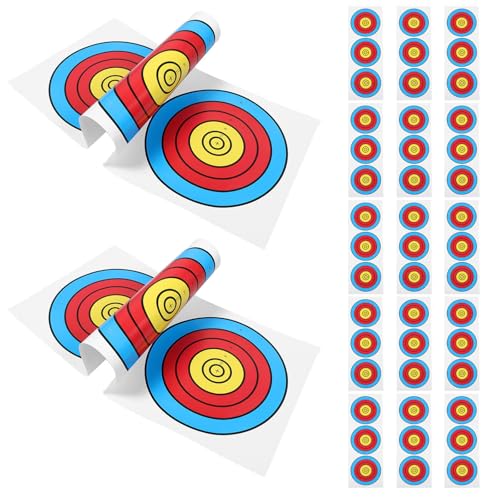
As an Amazon Associate we earn from qualifying purchases.
What should you look for in a target face?
The best starting point is to match the face to the way you shoot. A clear, well-sized aiming area is useful for practice, but the exact style, size and durability needs can vary depending on distance, bow type and how often you replace your faces. The main trade-off is usually between clarity, longevity and the specific format you want to train with.
| Feature | What it means | Why it matters | What to check |
|---|---|---|---|
| Face size | The overall dimensions of the target face | It affects how easy the face is to aim at and whether it fits the target area properly | Check the face dimensions against your target or backing |
| Aiming layout | How the scoring rings or aiming zones are arranged | It influences visibility, focus and how the face is used in practice | Look for the style that suits your training or scoring needs |
| Material and finish | The paper or synthetic surface used for the face | It affects wear, tear resistance and how long markings stay usable | Confirm the face is suitable for your expected usage and conditions |
| Replacement style | Whether the face is meant to be changed frequently | It affects convenience and ongoing upkeep | Check how the face is attached and how simple replacement is likely to be |
| Intended use | Practice, scoring or general target shooting | The right face can make sessions more useful and easier to read | Match the face type to your own shooting purpose |
Key decision criteria
Target size and fit
A target face only works well if it suits the surface it is attached to. A face that is too small may leave too much backing exposed, while one that is too large can be awkward to mount neatly. Check the face dimensions carefully and compare them with the target you plan to use.
Visibility of the aiming area
Some buyers want a simple, high-contrast layout that is easy to pick up at a glance. Others care more about scoring detail or a format that supports structured practice. Think about whether you want fast visual reference, finer aiming feedback or a face that suits more formal shooting.
Durability and replacement frequency
Target faces are consumable items, so wear is part of the category. If you shoot often, you may prefer a face that holds up well to repeated use; if you only shoot occasionally, easy replacement may matter more than maximum lifespan. Specifications vary by model, so always check the individual product page before buying.
Attachment and handling
Some faces are easier to position and replace than others, depending on how they are designed to be fixed in place. That can matter if you want quick changes between sessions or if you regularly swap faces for different drills. A simple attachment method can save time, especially for frequent practice.
Types of target face
Within this category, the most useful distinctions are usually practical rather than technical. Buyers commonly choose between faces aimed at general practice, faces with scoring-style layouts and faces intended for repeated replacement on a standard target surface.
Practice-style faces suit casual shooting and familiarisation. They are often the simplest choice when the goal is to aim consistently without needing a more specialised scoring format.
Scoring-style faces are useful when you want a clearer sense of group placement or a more structured session. Their main limitation is that they may not be necessary for relaxed practice.
Replacement faces are for buyers who expect to renew the visible aiming surface regularly. Their advantage is convenience; their limitation is that they should be chosen with target fit and handling in mind.
Which face suits which buyer?
| Buyer need | What to prioritise | Why it helps |
|---|---|---|
| Beginner practice | Clear layout and easy-to-understand aiming zones | It makes the first sessions simpler and less distracting |
| Frequent practice | Durability and straightforward replacement | It reduces disruption from wear and keeps sessions moving |
| Structured scoring | Consistent layout and good visual definition | It supports more repeatable aiming and result checking |
| Occasional recreational shooting | Simplicity and fit | It keeps the choice practical without over-specifying features you may not use |
Common mistakes to avoid
- Buying by picture alone: a face can look suitable but still be the wrong size or style for your target.
- Ignoring how often you shoot: frequent use makes durability and replacement convenience more important.
- Choosing a format you do not need: a scoring-style face is useful for some shooters, but not essential for everyone.
- Forgetting the target base: the face should make sense with the backing or target it will be attached to.
Safety and suitability caveats
Target faces are part of a wider archery setup, so suitability depends on the whole arrangement, not the face alone. Check that the face is appropriate for the type of target backing you use and for the kind of shooting you plan to do. It is also worth thinking about visibility and placement, especially if you shoot in shared or informal spaces.
Maintenance, storage and lifespan
Target faces are generally consumable, so replacement is part of normal ownership. Keeping them flat, clean and dry can help preserve usability, while rough handling may shorten their life. If you shoot often, it can be sensible to keep spare faces available so worn surfaces do not interrupt practice.
How to compare options efficiently
- Start with your target setup and shooting style.
- Choose the face size and layout that fit that use.
- Compare durability and how often you expect to replace it.
- Check the attachment method and whether replacement looks straightforward.
- Confirm the individual product page details before deciding.
Summary buyer decision checklist
- Does the face fit your target or backing properly?
- Is the aiming layout suited to your practice or scoring needs?
- Will the material and finish suit how often you shoot?
- Is the face easy enough to replace for your routine?
- Does it match the way you actually train, rather than just the way it looks?
Frequently asked questions
What is a target face used for?
A target face gives you a clear aiming surface for archery practice or scoring. It helps define where to aim and can make sessions more consistent and easier to read.
Do I need a specific target face for my bow type?
Not always, but the face should suit the shooting setup and target you are using. The important check is whether the size, layout and intended use make sense for your equipment and practice style.
How long does a target face last?
That depends on the material, how often you shoot and how much wear the face receives. Since faces are consumable, it is sensible to expect replacement from time to time rather than treating them as permanent.
Is a larger target face always better?
Not necessarily. A larger face can be easier to aim at in some situations, but it may not suit every target or style of shooting. The right size is the one that fits your setup and helps you shoot the way you want.
Can I use one target face for different sessions?
Often yes, provided the face still fits the target and remains clear enough to use. Some shooters keep a single style for consistency, while others swap faces depending on whether they are practising or scoring.
What matters most when choosing a target face?
Fit, visibility and how you plan to use it are usually the main factors. If those are right, the rest of the choice often comes down to convenience and how often you expect to replace the face.
Check the format and pack contents
If you are practising for a particular club session or competition, check which face format and size are expected rather than assuming a general-purpose layout will be suitable. Matching the format can make practice more relevant, but the right choice depends on the rules or guidance for your intended session.
Also confirm how many faces are included and whether the stated dimensions refer to each face. A multi-face pack may be convenient if you replace faces often, while an occasional shooter may prefer to buy only what they expect to use.
More Target Faces
See all 70 Target Faces →
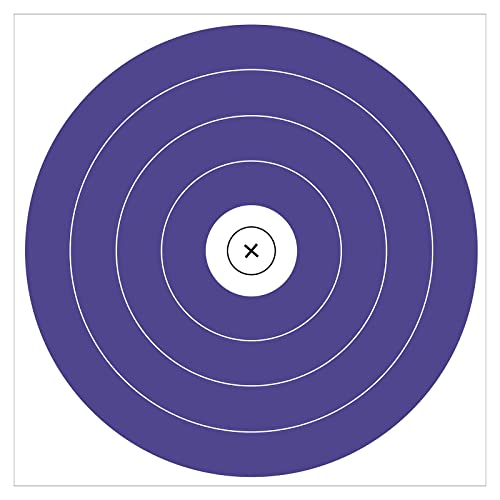


As an Amazon Associate we earn from qualifying purchases.