

Via ferrata gloves are a small item that can make a noticeable difference to comfort and confidence on a protected climbing route. They are mainly chosen to help you handle steel cable, rungs and attachment points while reducing wear on the hands.
If you are new to via ferrata, the main challenge is not finding a glove that looks technical; it is finding one that fits your hands, suits your route and allows enough feel for secure handling. Different gloves can feel very different in grip, finger dexterity and protection.
This guide explains the decisions that matter most, so you can compare options without overcomplicating the choice.
Compare Via Ferrata Gloves


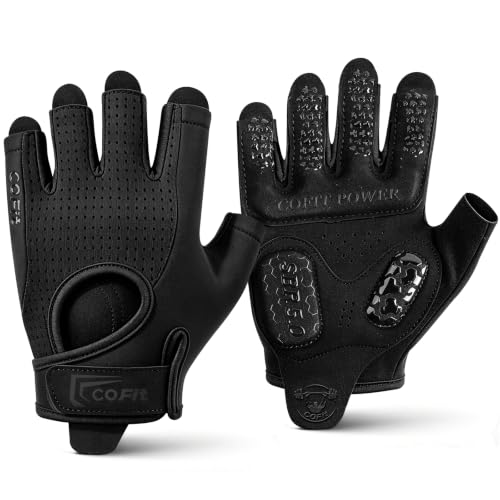

As an Amazon Associate we earn from qualifying purchases.
What should I look for in via ferrata gloves?
Start with fit, grip and enough protection for the kind of route you plan to use. A glove that is too loose can feel awkward on cable and hardware, while one that is too bulky can reduce dexterity. The right balance depends on how much feel you want, how long you expect to wear them and how much abrasion protection you prefer.
Specifications vary by model, so always check the individual product page before buying.
| Feature | What it means | Why it matters | What to check |
|---|---|---|---|
| Fit | How closely the glove matches your hand shape and size | Fit affects comfort, grip and control on cable and ladders | Size guidance, finger length, wrist closure and whether the glove is meant to feel close-fitting |
| Palm grip | The texture or material used on the inside of the hand | Grip helps when holding metal cable, pegs and hardware | Any description of grip-focused palm material and whether the feel is likely to be firm or supple |
| Dexterity | How easily you can bend fingers and handle equipment | Important for clipping and moving confidently on a route | Whether the glove is described as slim, flexible or reinforced in a way that may affect movement |
| Protection | How much coverage the glove gives against abrasion and contact | Useful when hands may rub against cable or metalwork | Fingertip coverage, palm reinforcement and any mention of durability-focused construction |
| Breathability | How much air can move through the glove | Can affect comfort on warmer days or longer routes | Material descriptions that suggest ventilation or a lighter build |
| Closure and cuff | How the glove stays secure at the wrist | Helps keep the glove in place and can affect ease of putting it on and taking it off | Hook-and-loop, elastic or other closure details and how snug the cuff appears |
Which details matter most?
Fit is the starting point
For this category, fit usually matters more than appearance. A glove that matches your hand shape is more likely to stay comfortable and allow accurate movement when you are clipping or holding cable. If a glove is too tight, it may feel tiring; if it is too roomy, you may lose dexterity.
Grip and feel need a balance
Some buyers prefer a glove that feels more protective, while others want more direct contact with the route. More reinforcement can improve abrasion resistance, but it may also make the glove feel less sensitive. If you value precision, look for a design that promises control without sounding overly bulky.
Protection should match how you climb
Not every route or user needs the same level of reinforcement. Shorter outings may prioritise lightness and dexterity, while more frequent use may justify extra palm protection. Think about where your hands are most likely to rub and how much coverage you want there.
Closure, cuff and ease of use
A secure wrist closure can help the glove stay in place through movement. It also affects how easy it is to put the glove on before the route and remove it afterwards. If you expect to use them often, small differences in cuff shape and adjustability can make a practical difference.
Types of via ferrata gloves
Variation in this category is usually about construction rather than dramatic style differences. You will often see a choice between lighter, more flexible gloves and more reinforced gloves with greater abrasion focus.
- Lighter gloves suit buyers who want more finger feel and less bulk.
- More reinforced gloves suit buyers who want extra protection and are happy to trade a little dexterity.
- Close-fitting gloves often feel more precise on the route.
- Roomier gloves may feel easier to wear casually but can be less exact for handling equipment.
Specifications vary by model, so always check the individual product page before buying.
How different buyers can narrow the choice
| Buyer need | Helpful glove characteristic | Why it helps |
|---|---|---|
| First-time via ferrata user | Simple fit, clear sizing and balanced protection | Makes the purchase easier to judge and avoids an overly specialised feel |
| Regular route user | Good palm reinforcement and secure closure | Supports repeated use and helps the glove stay comfortable over time |
| Buyer prioritising dexterity | Light construction and flexible materials | Helps with handling cable and moving hands with less restriction |
| Buyer prioritising comfort | Breathability and a shape that matches the hand well | Can reduce the sense of bulk and help on longer outings |
| Gift buyer | Clear size guidance and an adaptable fit | Reduces uncertainty when you do not know the recipient’s exact preferences |
Common mistakes to avoid
- Choosing by appearance alone. A glove that looks rugged may still fit poorly or feel too stiff.
- Overlooking sizing. Even small fit differences can change how a glove handles on cable and hardware.
- Assuming more padding is always better. Extra reinforcement can help durability, but it can also reduce feel.
- Ignoring the closure. A glove that is awkward to secure may become annoying to use repeatedly.
- Buying for general outdoor use only. Via ferrata gloves are about route handling as much as hand warmth or style.
Safety and suitability
Via ferrata gloves are a comfort and handling choice, not a substitute for suitable climbing equipment or sound judgement. Check that the glove feels secure enough for the intended use and does not interfere with your ability to handle the route confidently.
Do not assume one glove suits every hand or every route style. If you are comparing options for a child, a smaller hand or a frequent user, fit and finger mobility are especially worth checking.
Care, storage and ownership expectations
Gloves used on outdoor routes may pick up dirt, moisture and wear from contact points. Simple care usually matters more than complicated maintenance: let them dry properly after use and store them where they will not be crushed or left damp.
If a glove is heavily reinforced, comfort may change as it wears in. If it is lighter and more flexible, it may feel better immediately but show wear sooner depending on use. The important point is to think about how often you will use them and whether you prefer durability or a softer feel.
How to compare options efficiently
- Decide how you will use the gloves and how much dexterity you need.
- Check fit guidance first, then compare the palm and fingertip construction.
- Look at closure, breathability and overall bulk.
- Weigh protection against feel and flexibility.
- Read the individual product page carefully before making a final choice.
Buyer checklist
- Does the glove fit the intended hand size and shape?
- Is the balance of grip and flexibility right for your use?
- Is the palm protection appropriate for the kind of route?
- Will the closure feel secure and easy to manage?
- Is the glove likely to feel comfortable over the time you expect to wear it?
- Have you checked the individual product page for the details that matter most?
Frequently asked questions
Do I really need gloves for via ferrata?
Many people find gloves useful because they improve comfort when handling cable and metal hardware. They are not mandatory for every outing, but they can reduce hand discomfort and make the route feel easier to manage.
Can I use ordinary work or cycling gloves instead?
Sometimes a glove with similar grip and fit may feel usable, but a category-specific glove is generally easier to judge for this activity. The main difference is usually in how the glove balances dexterity, abrasion protection and secure handling.
Should I choose more padding or more flexibility?
That depends on what you value most. More padding can improve durability and contact protection, while more flexibility can make handling and clipping feel more precise.
How should via ferrata gloves fit?
They should feel secure without being restrictive. A close but comfortable fit usually gives better control, while too much spare room can make the glove feel clumsy.
Are warmer gloves always better?
Not necessarily. Extra warmth can add bulk and reduce feel, so the right choice depends on your conditions and how much dexterity you want to keep.
What should I check before buying as a gift?
Size guidance and general fit are the most important points. If you are unsure about the recipient’s preferences, a balanced glove with clear sizing information is usually easier to choose than a highly specialised option.
More Via Ferrata Gloves
See all 43 Via Ferrata Gloves →


As an Amazon Associate we earn from qualifying purchases.