

Via ferrata lanyards are a key part of a via ferrata setup, so choosing one is less about fashion and more about how it fits your route, experience and confidence. The right option should feel manageable to use, suit the style of climbing you plan to do and match the rest of your kit.
Because these products are used in a safety-sensitive activity, it is worth comparing the details carefully rather than assuming all lanyards behave the same way. Small differences in attachment style, handling and built-in features can make a noticeable difference to convenience on the wall.
This guide is designed to help you understand the main choices before you compare individual product pages.
Compare Via Ferrata Lanyards


As an Amazon Associate we earn from qualifying purchases.
What should you look for in a via ferrata lanyard?
The best starting point is to match the lanyard to the kind of via ferrata routes you expect to do and the way you prefer to handle your kit. A simple, well-matched lanyard is usually more useful than a feature-heavy one that feels awkward to use.
The main trade-off is between simplicity, handling comfort and added convenience features. Specifications vary by model, so always check the individual product page before buying.
| Feature | What It Means | Why It Matters | What To Check |
|---|---|---|---|
| Type of lanyard system | The overall design and how the lanyard is used on the route | It affects ease of clipping, handling and how straightforward the setup feels | Whether the design suits your route style and experience level |
| Handling and reach | How easy it is to move, clip and manage while progressing | Comfort matters when you are repeatedly clipping and repositioning | Whether the layout looks manageable with gloves and while wearing other kit |
| Energy-dissipation design | The way the system is intended to manage forces in use | This is a central part of why via ferrata lanyards are category-specific safety items | That the product page clearly explains the intended use and included components |
| Connection points | How the lanyard attaches to your harness and to the route system | Secure, sensible attachment is essential to confident use | Compatibility with your harness and whether connectors are supplied as part of the set |
| Elastic or compact handling | Whether the lanyard stays neatly stowed or extends more freely in use | Different layouts suit different preferences for tidiness and movement | How the product description presents the handling style and when it may feel bulky |
| Extras and convenience features | Any additions intended to improve practicality | Useful extras can help, but they should not distract from the core function | Whether any included features are genuinely useful to you rather than just nice to have |
Which details matter most?
Attachment and compatibility
Check how the lanyard connects to your harness and whether the product is presented as a complete set or as part of a broader setup. A lanyard that feels easy to understand on paper is usually a better fit for careful, real-world use.
It is also worth checking whether the product page makes the intended use clear enough for your level of experience. If anything is unclear, treat that as a sign to compare alternatives more closely.
Handling comfort
Via ferrata routes often involve repeated movement, so comfort in the hand and ease of clipping matter more than many buyers expect. A tidy, uncomplicated layout can reduce faff, especially if you are wearing gloves or carrying other gear.
What feels compact on a page may still be awkward in use, so look for descriptions that help you judge how the lanyard is meant to sit and move.
Feature balance
Some buyers want the simplest possible setup, while others prefer extra convenience features. The important question is whether the extra detail actually helps your use case or just makes the product feel more complicated.
A clear, practical design is often easier to live with than one that tries to do everything at once.
Common types and variants
Within this category, the most useful distinction is usually between simpler lanyard designs and those with more built-in convenience or handling features. A simpler product may suit someone who wants an uncomplicated setup, while a more developed design may appeal to someone who values tidiness and easier management on route.
The limitation of any more feature-led option is that it can become harder to assess quickly if the product page is vague. If the description does not explain how the lanyard is intended to be used, it may be harder to judge whether it suits your style.
Who is each type likely to suit?
| Buyer need | What tends to matter most | Practical implication |
|---|---|---|
| Beginner or occasional user | Clear layout and easy-to-understand use | Choose the option whose purpose and setup are easiest to follow |
| Frequent user | Comfort, tidy handling and confidence in use | Look for a lanyard that seems manageable over repeated route use |
| Buyer replacing old kit | Familiar handling and sensible compatibility | Check that the new choice fits the rest of your system and expectations |
| Gift buyer | Broad suitability and straightforward explanation | Choose carefully and avoid guessing on fit or intended use |
Common mistakes and misunderstandings
- Choosing on appearance alone: A neat design is not enough by itself; the useful question is whether it suits the way you will actually climb.
- Assuming every lanyard feels the same: Handling, attachment layout and convenience can vary, even when products look similar in a listing.
- Ignoring the product description: The clearest buying decisions usually come from checking how the lanyard is intended to be used rather than relying on a product name alone.
- Overvaluing extra features: Add-ons can be helpful, but only if they make the lanyard easier to use in practice.
Safety and suitability caveats
Via ferrata lanyards are safety-sensitive items, so the most important buying step is to make sure the product is intended for via ferrata use and that you understand what is included. Do not assume a climbing item is interchangeable with a via ferrata-specific one.
If you are unsure about compatibility, intended use or how a product fits into your wider kit, review the individual product information carefully before deciding.
Maintenance, storage and lifespan considerations
General care matters because these are items you will rely on in an active outdoor setting. Keep the lanyard stored neatly, dry it and inspect it in line with the maker’s guidance, and avoid buying more complexity than you are prepared to look after.
Wear, dirt and rough handling can affect how confident a product feels over time, so a design that is easy to keep tidy may be more practical for regular use.
How to compare options efficiently
- Start with the routes and level of use you expect, then decide how simple or feature-led you want the lanyard to be.
- Check the product description for intended use, attachment style and what is included.
- Compare handling, comfort and any convenience features that might matter on route.
- Weigh the trade-off between simplicity and extra features.
- Read the individual product page carefully before you make a final choice.
Summary buyer decision checklist
- Is the lanyard clearly intended for via ferrata use?
- Does the attachment style make sense with your harness and kit?
- Will the handling feel comfortable for the way you climb?
- Are any extra features actually useful to you?
- Does the product page explain the setup clearly?
- Have you checked the individual model details before buying?
Frequently asked questions
Do I need a special lanyard for via ferrata?
Yes, you should choose a product that is clearly intended for via ferrata use rather than assuming a general climbing item will do the same job. The point of comparing within this category is to narrow down the design and handling that suit you best.
What is the most important thing to compare first?
Start with intended use and overall design, then move on to handling and compatibility. If those basics do not fit, extra features are unlikely to make the product a good match.
Are more features always better?
Not necessarily. Extra convenience can be useful, but only if it makes the lanyard easier for you to use without making the setup feel cluttered or confusing.
How do I know if a lanyard will suit a beginner?
Look for a product page that explains the setup clearly and avoids unnecessary complexity. A beginner-friendly choice is usually one that feels straightforward to understand before you ever get to the route.
Should I choose the simplest option available?
Only if simplicity suits how you climb. Some users prefer a very straightforward setup, while others value added handling comfort or convenience, so the right choice depends on your priorities.
What if I am buying as a replacement?
Check the details carefully so the new lanyard fits your existing expectations and broader kit. A replacement is easiest to choose when you first identify what you want to keep the same and what you want to improve.
More Via Ferrata Lanyards
See all 66 Via Ferrata Lanyards →


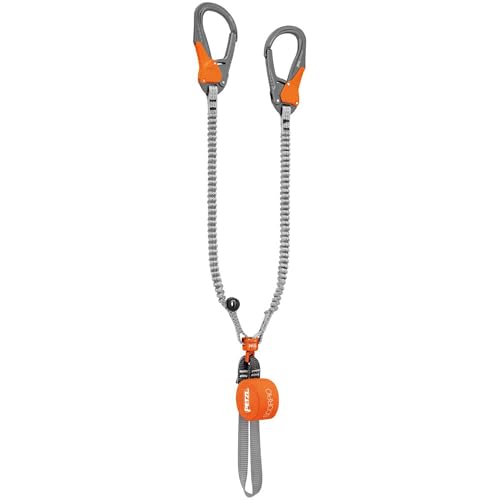
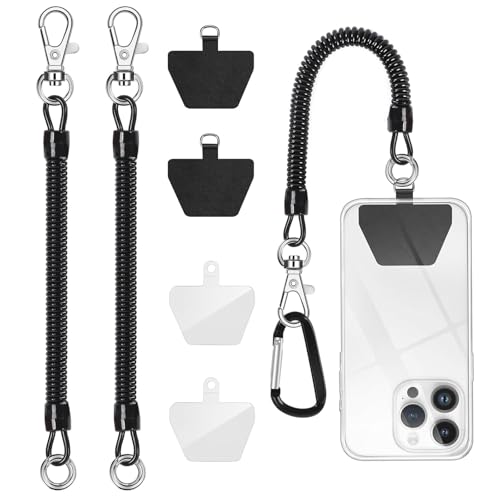
As an Amazon Associate we earn from qualifying purchases.