

Women’s climbing trousers are usually chosen for movement, comfort and durability rather than for fashion alone. The right pair should let you step high, squat, kneel and stretch without feeling restrictive.
Because climbing covers everything from indoor sessions to outdoor routes and general approach walking, there is no single “best” style for everyone. It helps to think about where you will wear them, how much freedom of movement you need and whether you prefer a lighter or more protective fabric.
This guide focuses on the buying choices that are easiest to overlook at first, such as fit, stretch, reinforcement and pocket layout. Specifications vary by model, so always check the individual product page before buying.
What should you look for in women’s climbing trousers?
The starting point is usually fit and movement. A good pair should sit comfortably at the waist or hips, allow full leg lift and not catch when you bend or twist. From there, compare fabric feel, stretch, durability and any weather resistance you may need.
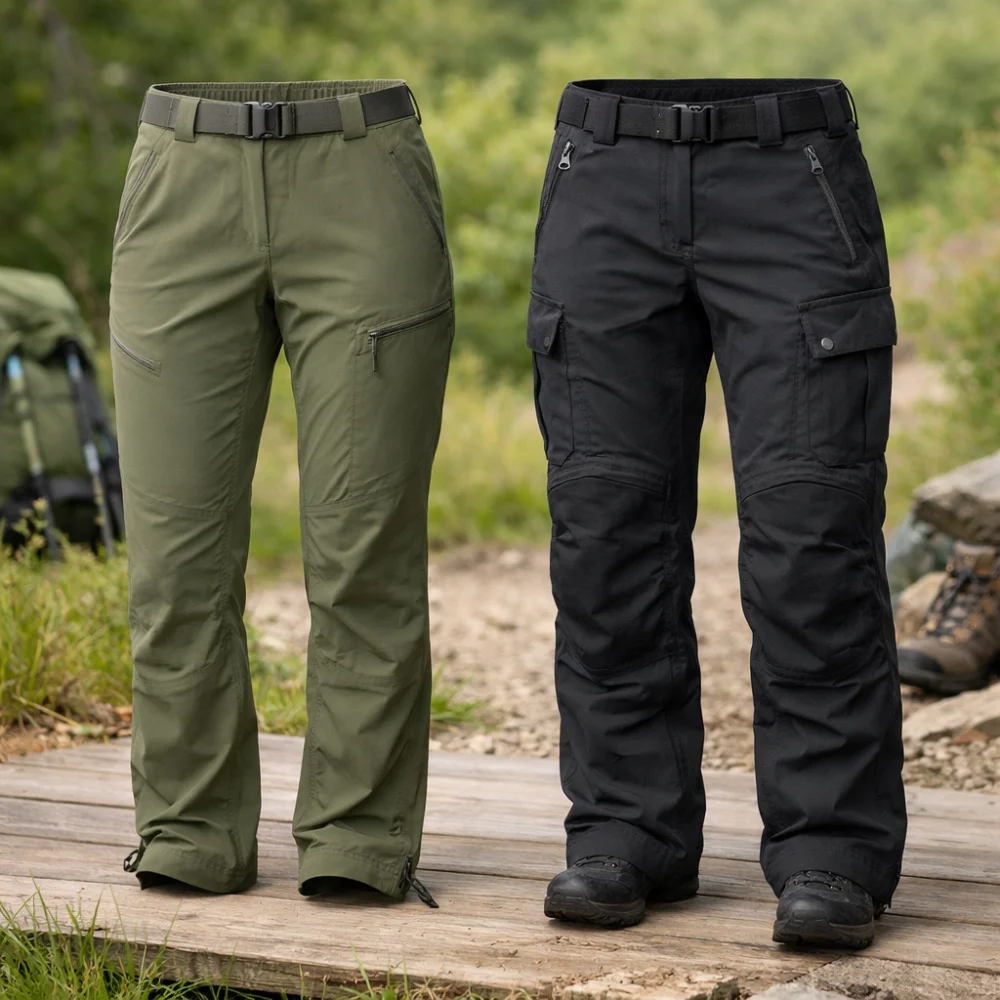
The main trade-off is usually between a lighter, more breathable trouser and one that feels tougher or more protective. Think about the balance between comfort on the move and the level of wear you expect from rock contact, rough ground or repeated kneeling.
| Feature | What It Means | Why It Matters | What To Check |
|---|---|---|---|
| Fit | How the trousers sit through the waist, seat and leg | Fit affects comfort, security and freedom of movement | Look for a shape that suits your body and movement style |
| Stretch | How much the fabric gives when you move | Helpful for high steps, squats and wider climbing positions | Check whether stretch is built into the fabric or panelled in key areas |
| Durability | How well the fabric may cope with abrasion and repeated use | More durable trousers can be better for rough rock or frequent wear | Review fabric description and any reinforcement in high-wear areas |
| Breathability | How easily heat and moisture can move through the fabric | Important for long sessions, warm weather and active approaches | Look for lighter-feeling fabrics if overheating is a concern |
| Weather resistance | Some level of protection from wind or light moisture | Useful if you climb outdoors in changeable conditions | Check whether the pair is mainly breathable, water-resistant or designed for other conditions |
| Pockets and details | Placement of pockets, hems, waist adjustment and leg shaping | These details affect practicality and how the trousers work with a harness | Check pocket position, closure style and whether the waistband suits your preference |
Key decision criteria explained
Fit and movement
Climbing trousers need to move with you, not resist you. A close but comfortable fit often works well if it still allows lunging, stepping high and sitting in a harness without pressure points. If you prefer a looser feel, make sure the shape does not create excess fabric that could get in the way.
Fabric and stretch
Stretch is one of the most useful features in this category, but it can be described in different ways. Some trousers rely on a naturally flexible fabric, while others use stretch panels or a cut that gives more room in the right places. The important question is how the trousers feel during movement, not simply whether they are described as stretchy.
Durability and reinforcement
Climbing can be hard on clothing, especially at the knees, seat and inner leg. If you expect frequent outdoor use or rough surfaces, look for signs of tougher construction in the areas that wear fastest. Heavier reinforcement can improve resilience, but it may also reduce softness or airflow.
Waistband and closure
The waistband affects both comfort and confidence when moving. Some buyers prefer a flat, low-bulk feel under a harness, while others prioritise adjustability. Check whether the waistband design suits your layering preferences and whether it is likely to stay comfortable during long sessions.
Pocket placement
Useful pockets can make a big difference, but the wrong placement can be annoying under a harness. Pay attention to whether pockets sit high enough to remain usable and whether closures are simple enough for everyday use. A clean, uncluttered design is often easier to live with on the wall.
Product types and variants
Within climbing trousers, the main differences are usually about intended use rather than dramatic category splits. Some pairs are lighter and more breathable for warm conditions or indoor sessions, while others feel a little tougher and suit more abrasive use. There are also styles with more casual outdoor-trouser styling, which may appeal if you want one pair for climbing and general wear.
The limitation of a lighter pair is that it may not feel as robust in rougher conditions. The limitation of a tougher pair is that it may feel less airy on warmer days. Choosing the right style is mostly about deciding which compromise matters least to you.
Which type may suit different buyers?
| Buyer need | Features that may help | Trade-off to consider |
|---|---|---|
| Indoor climbing and bouldering | Stretch, comfort and easy movement | Very lightweight fabrics may feel less durable |
| Outdoor climbing | Durability, fit and some weather resistance | More protection can mean less airflow |
| Warm-weather use | Breathability and lighter fabric feel | Less substantial fabric may wear faster |
| Mixed climbing and everyday wear | Simple styling, comfortable waistband and practical pockets | May not be as specialised for hard use |
| Frequent rough use | Reinforcement and harder-wearing construction | Can feel bulkier or warmer |
Common mistakes and misunderstandings
- Choosing by appearance first. Style matters, but climbing performance depends more on movement, fabric and waistband comfort.
- Assuming all “stretch” fabrics feel the same. Stretch can vary a lot, so it helps to check the product details carefully.
- Ignoring harness compatibility. Pocket placement and waistband bulk can matter more than many buyers expect.
- Overlooking leg length and cut. Trousers that look fine standing still may ride up or bunch when you climb.
- Picking the heaviest fabric by default. More robust construction can be useful, but it is not always the most comfortable choice.
Safety and suitability caveats
Climbing trousers are a clothing choice, not safety equipment. They should support comfort and movement, but they do not replace the need for suitable climbing judgement, correct kit and route awareness.
Think about the environment you will use them in, including temperature, rough surfaces and whether you will be wearing a harness. If you climb outdoors, check whether the trousers suit the likely weather rather than assuming one pair will suit every season.
Maintenance, storage and lifespan considerations
Most climbing trousers are easier to keep in good condition if you follow the care guidance on the individual product page or label. Regular cleaning helps preserve comfort and appearance, while careful storage avoids unnecessary abrasion from other kit.
If a pair relies on stretch, reinforcement or special finishes, those details may influence how you wash and wear them over time. It is sensible to think about long-term use before buying, especially if you plan to wear the trousers often.
How to compare options efficiently
- Start with your main use: indoor climbing, outdoor climbing, mixed use or casual wear.
- Decide how much stretch and freedom of movement you need.
- Compare fabric feel, durability and breathability as a set, not in isolation.
- Check waistband comfort, pocket placement and whether the cut works with a harness.
- Review the individual product page for the exact details before choosing.
Summary buyer decision checklist
- Does the fit allow easy bending, stepping and reaching?
- Is the fabric light enough or tough enough for your use?
- Do the waistband and pockets work comfortably with a harness?
- Will the trousers suit your main climbing environment and season?
- Does the overall cut match your preference for close, regular or relaxed fit?
- Have you checked the individual product page for the exact details?
Frequently asked questions
Are climbing trousers different from walking trousers?
They can be similar in some respects, but climbing trousers are usually chosen more carefully for movement, waistband comfort and harness-friendly details. Walking trousers may still work for some buyers, especially if they have enough stretch, but they are not always cut with climbing in mind.
Do I need reinforced knees?
Not everyone does. Reinforcement is more useful if you expect a lot of rough contact, kneeling or outdoor use on abrasive surfaces. If you mainly climb indoors, a lighter and more flexible pair may make more sense.
Should climbing trousers be tight or loose?
Neither is automatically better. A closer fit can reduce excess fabric and feel neat under a harness, while a looser fit may feel more relaxed and airy. The key is whether the cut still moves well when you step, squat and reach.
Are water-resistant trousers worth it?
They can be useful if you spend time outdoors in changeable weather, but they are not essential for everyone. Some buyers will prefer breathability over extra protection. It depends on whether your priority is comfort in dry conditions or a little more resilience when the weather turns.
Can I wear climbing trousers every day?
Often yes, if you like the fit and style. Many buyers choose a pair that is practical enough for climbing but also comfortable for general outdoor use. Just make sure the cut, pockets and fabric weight suit your everyday routine as well as your climbing sessions.
What matters most if I am buying for the first time?
Start with fit, then look at stretch and comfort. After that, compare durability, pocket placement and any weather-related features. The best first pair is usually the one that suits your main climbing habits rather than the one with the longest feature list.