


Women’s softshell jackets sit in the practical middle ground between a lightweight fleece and a fully waterproof shell. They are often chosen for walking, commuting, dog walks and other active days when you want comfort, some wind resistance and a bit of weather protection without the bulk of a heavy coat.
Because styles vary, it helps to think first about how and where you will wear the jacket. Some softshells are better for movement and layering, while others are more focused on extra coverage, a warmer lining or a more weather-ready finish.
This guide focuses on the buying choices that matter most, so you can compare options more confidently and avoid paying for features you may not need.
Compare Women's Softshell Jackets


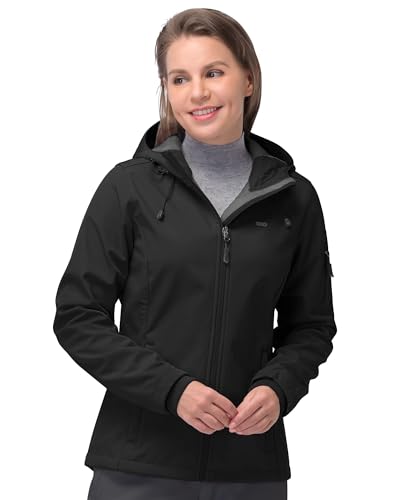


As an Amazon Associate we earn from qualifying purchases.
What should you look for in a women’s softshell jacket?
A good starting point is to match the jacket to the weather and activity level you expect most often. Softshells are usually valued for comfort, stretch and wind resistance, but they are not all equally warm or weatherproof. The main trade-off is between flexibility and protection: a lighter, more breathable jacket may feel easier to wear all day, while a heavier or more heavily lined version may suit colder or less predictable conditions better.
Specifications vary by model, so always check the individual product page before buying.
| Feature | What it means | Why it matters | What to check |
|---|---|---|---|
| Weather resistance | How well the jacket handles wind and light rain | Helps you decide whether it suits dry, breezy days or more changeable conditions | Look for the product description to see how much protection is claimed |
| Warmth | How much insulation or lining the jacket has | Affects whether it works on its own or mainly as a layering piece | Check whether it is unlined, fleece-lined or described as warmer weight |
| Breathability | How easily heat and moisture can escape | Important for walking, hill use or active wear | See whether the jacket is aimed at active use or general casual wear |
| Stretch and fit | How freely the jacket moves with the body | Useful for comfort, mobility and layering underneath | Check the fit notes, stretch fabric mentions and sizing guidance |
| Hood and collar design | How much coverage the neck and head area get | Influences comfort in wind and light showers | Look for whether the hood is fixed, adjustable or absent |
| Pockets and fastenings | Storage and day-to-day usability details | Matters if you want to carry essentials or use the jacket regularly | Check pocket layout, zip closures and cuff or hem adjustments |
Key decision criteria explained
Weather protection versus comfort
Softshell jackets are usually chosen for their balance of comfort and protection. They often cope well with wind and may shrug off light showers, but they are not the same as a dedicated waterproof jacket. If you expect persistent rain, compare the softshell carefully against a waterproof option rather than assuming it will do the same job.
Warmth and layering
Some women’s softshell jackets are designed as outer layers for mild conditions, while others include fleece or a warmer backing. That makes a big difference to when you can wear them. A lighter jacket may be more versatile across seasons, while a warmer one can feel more comfortable if you want a jacket that does more work by itself.
Fit and freedom of movement
Fit matters because softshells are often worn while moving. A close fit can feel neat and reduce bulk, but it may limit layering underneath. A more relaxed cut may be better if you want to wear jumpers below it or prefer a less fitted shape for everyday use.
Breathability and activity level
If you plan to wear the jacket for walking or other active outings, breathability becomes more important. A jacket that traps too much heat can feel uncomfortable even if it seems weather-resistant. For casual use, that balance may be less critical than softness, fit and general comfort.
Hood, collar and cuffs
Small design details affect how practical a jacket feels in real use. A hood can add useful coverage, while a well-shaped collar may be enough if you mainly want light wind protection. Adjustable cuffs and hems can also help with draughts and fit, especially if you want the jacket to work over different layers.
Product types and variants
Within this category, the main differences are usually about weight, lining and intended use rather than dramatic construction changes.
- Lightweight softshell jackets suit milder weather, active wear and easier layering.
- Fleece-lined or warmer softshell jackets suit colder days and buyers who want a jacket with more immediate comfort.
- Water-resistant or waterproof-marketed softshell styles may suit more changeable weather, but the exact level of protection can vary a lot.
- Printable or workwear-style softshell jackets may be aimed at practical everyday use and simple branding, rather than technical outdoor performance.
The key limitation is that softshells sit between categories. They can feel more flexible and comfortable than a hardshell, but they will not always replace a waterproof coat or a dedicated insulated jacket.
Which softshell jacket suits which buyer?
| Buyer need | Features to prioritise | Why this helps |
|---|---|---|
| Everyday wear | Comfortable fit, easy zip, useful pockets | Makes the jacket practical for regular use without feeling technical |
| Walking or active use | Breathability, stretch, movement-friendly cut | Helps prevent overheating and improves comfort on the move |
| Layering in cooler weather | Slightly roomier fit, warmer lining, adjustable details | Leaves space for mid-layers and improves all-day wearability |
| Changeable conditions | Better wind resistance, coverage at the collar or hood | Offers more comfort when the weather shifts during the day |
| Simple practical use | Durable feel, straightforward design, manageable care | Keeps the choice focused on usefulness rather than extra features |
Common mistakes and misunderstandings
- Assuming all softshells are waterproof. Many are only designed to handle light moisture or short showers, so check the description carefully.
- Choosing too warm a jacket for active use. A heavily lined style can feel cosy at rest but too hot when you are walking briskly.
- Ignoring fit over layers. A neat fit may look good, but it can become restrictive if you want to wear a jumper underneath.
- Overlooking hood and collar design. These details can change how useful the jacket feels in wind, yet they are easy to miss when browsing quickly.
- Focusing only on appearance. Colour and style matter, but the fabric feel, fastening details and intended use usually make a bigger difference day to day.
Safety and suitability caveats
Softshell jackets are a clothing choice rather than specialist protective equipment. If you need reliable wet-weather protection, warmth for prolonged cold, or a jacket for demanding outdoor conditions, check the product description closely and make sure the jacket is intended for that use. For family, work or outdoor activities, it is sensible to think about mobility, comfort and whether the jacket matches the conditions you actually face most often.
Maintenance, storage and lifespan considerations
General care matters because jacket performance can change with wear and cleaning. Check the care instructions for the outer fabric, lining and any water-resistant finish, and avoid assuming every jacket needs the same treatment. Regular cleaning, proper drying and storing the jacket without crushing it for long periods can all help it stay comfortable and usable for longer.
How to compare options efficiently
- Decide where you will wear the jacket most often.
- Choose the right level of warmth for your usual conditions.
- Check whether you need breathability, stretch or more weather resistance.
- Look at fit, hood design, pockets and layering room.
- Read the individual product page closely before deciding.
Summary buyer decision checklist
- Will you wear it mainly for everyday use or active outdoor time?
- Do you need light protection, added warmth or a more weather-ready finish?
- Is the fit suitable for layering underneath?
- Does the hood, collar and fastening style suit your needs?
- Are the care instructions practical for how often you will use it?
Frequently asked questions
Is a softshell jacket warmer than a fleece?
Not always. Some softshells are lightly lined and feel warmer than a basic fleece, while others are mainly for wind protection and layering. Compare the jacket’s lining and intended use rather than relying on the label alone.
Can I wear a softshell jacket in the rain?
Many softshells can handle light drizzle or short showers, but that does not make them the same as a waterproof jacket. If wet weather is a priority, check the product description carefully and compare it with a dedicated waterproof style.
Are softshell jackets good for walking?
They can be a very practical choice for walking because they often balance comfort, movement and wind resistance. Breathability matters if you are active, so it helps to choose a jacket that is not overly warm for your pace and season.
Should I size up for layering?
If you expect to wear jumpers or other mid-layers underneath, a little extra room can help. A close-fitting jacket may feel neater, but it can be less versatile if you want to build warmth underneath it.
What is the main advantage of a softshell jacket?
The main advantage is balance. Softshells often feel more comfortable and flexible than harder outer shells, while still offering some weather protection and useful warmth for everyday outdoor wear.
How do I choose between a softshell and a waterproof jacket?
Choose a softshell if you value comfort, movement and moderate weather resistance. Choose a waterproof jacket if staying dry in heavier rain is the priority. Many buyers find it helpful to think about which condition they face most often rather than trying to make one jacket do everything.
More Women's Softshell Jackets
See all 208 Women's Softshell Jackets →


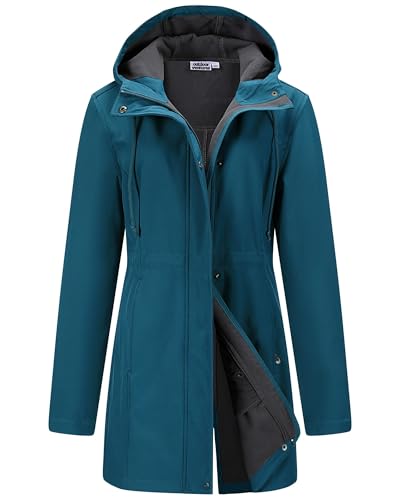

As an Amazon Associate we earn from qualifying purchases.