


Women’s windproof jackets are a practical choice when you want to cut the chill from breezy weather without necessarily moving up to a heavier insulated layer. They can suit walking, commuting, travel and other everyday outdoor use where comfort, packability and ease of movement matter.
The main challenge is that windproof jackets can vary a lot in warmth, weather protection and fit. Some are best as a light outer layer over activewear, while others are designed more for casual wear. This guide helps you focus on the differences that matter before you compare individual product pages.
Compare Women's Windproof Jackets


As an Amazon Associate we earn from qualifying purchases.
What should you look for in a women’s windproof jacket?
A good starting point is to decide how you will wear it: as a lightweight layer for active use, a casual outer layer, or something that can handle changeable weather more comfortably. The most useful checks are wind resistance, breathability, fit, hood design and whether you also want water resistance. Specifications vary by model, so always check the individual product page before buying.
The main trade-off is usually between protection and comfort. A more protective jacket may feel warmer or less airy, while a lighter one may be easier to carry and wear but offer less cover in damp or colder conditions.
| Feature | What It Means | Why It Matters | What To Check |
|---|---|---|---|
| Wind resistance | How well the jacket blocks moving air | It affects how warm and comfortable the jacket feels in breezy conditions | Look for clear product wording about windproof performance and the intended use |
| Breathability | How easily heat and moisture can escape | Important if you plan to walk, run or stay active in the jacket | Check whether the jacket is described as breathable or lightweight |
| Water resistance | How well it handles light rain or drizzle | Useful if the weather can turn mixed, even if the jacket is not fully waterproof | Check whether it is windproof only, water-resistant or waterproof |
| Warmth | Whether the jacket adds insulation or mainly blocks wind | Helps you avoid buying a layer that is too light or unnecessarily bulky | Look at lining, layering potential and overall garment weight description |
| Fit and cut | How the jacket sits on the body | Decides whether you can move freely and wear layers underneath | Check whether it is fitted, relaxed, cropped, longline or adjustable |
| Packability | How easy it is to carry or stow when not worn | Useful for travel, commuting and uncertain weather | Look for packable, lightweight or easy-fold descriptions |
Key decision criteria
Wind protection
The core purpose of this category is to reduce the effect of wind chill. That can make a noticeable difference on exposed walks, around the coast or on open transport routes. A jacket described as windproof is aimed at that problem, but the exact level of protection can still vary by construction and design.
If you are especially sensitive to feeling cold in the wind, give priority to the jacket’s outer fabric and how well the cuffs, hem and hood are designed to limit drafts. If you only need a light extra layer for mild days, you may prefer a simpler, less bulky option.
Breathability and activity level
Windproof jackets are not all equally suitable for movement. If you plan to walk quickly, cycle or wear the jacket for longer periods, breathability becomes more important because trapped heat can make the jacket feel uncomfortable.
If your use is mostly casual, breathability may matter less than straightforward protection and easy wear. For active use, look for descriptions that suggest airflow, lightweight construction or comfort during movement.
Water resistance versus full waterproofing
Many shoppers assume a windproof jacket will also handle rain well, but that is not always the case. Some windproof jackets cope with light showers or brief drizzle, while others are mainly designed to block air rather than water.
If you need reliable wet-weather protection, compare the jacket carefully with waterproof alternatives. If you only need something for breezy, dry conditions, you may not need to pay for a level of weather protection you will rarely use.
Fit, length and layering
Fit affects both comfort and usefulness. A close fit can feel neater and reduce bulk, while a looser fit may be easier for layering over jumpers or mid-layers. Length also matters, especially if you want more coverage around the hips or prefer a shorter jacket for mobility.
Pay attention to whether the product is shaped for active wear or designed more like a casual jacket. If you are choosing between sizes, think about the clothing you will wear underneath rather than only the jacket itself.
Hood, cuffs and adjustability
Details such as a hood, adjustable cuffs and a drawcord hem can make a windproof jacket more comfortable in variable weather. These features are not essential for everyone, but they can help reduce drafts and make the jacket more adaptable.
Some buyers prefer a clean, simple jacket with fewer adjustments, while others want a more versatile outer layer. Consider which features you will actually use rather than assuming more details always mean a better choice.
Types and styles you are likely to compare
Within this category, the most useful distinctions are usually about weight, cut and intended use rather than technical complexity.
- Lightweight windbreakers: Suited to mild conditions, travel and active use. Their main limitation is that they may offer less warmth and less all-round weather protection.
- Casual windproof jackets: Designed for everyday wear and easy styling. They can be a good choice if comfort and appearance matter, but they may not be the lightest option.
- Packable jackets: Useful if you want something easy to carry or store in a bag. The trade-off is that they may feel more minimal than heavier jackets.
- Longer or more coverage-focused styles: Helpful if you want extra coverage around the body. They may feel less airy or less compact to carry.
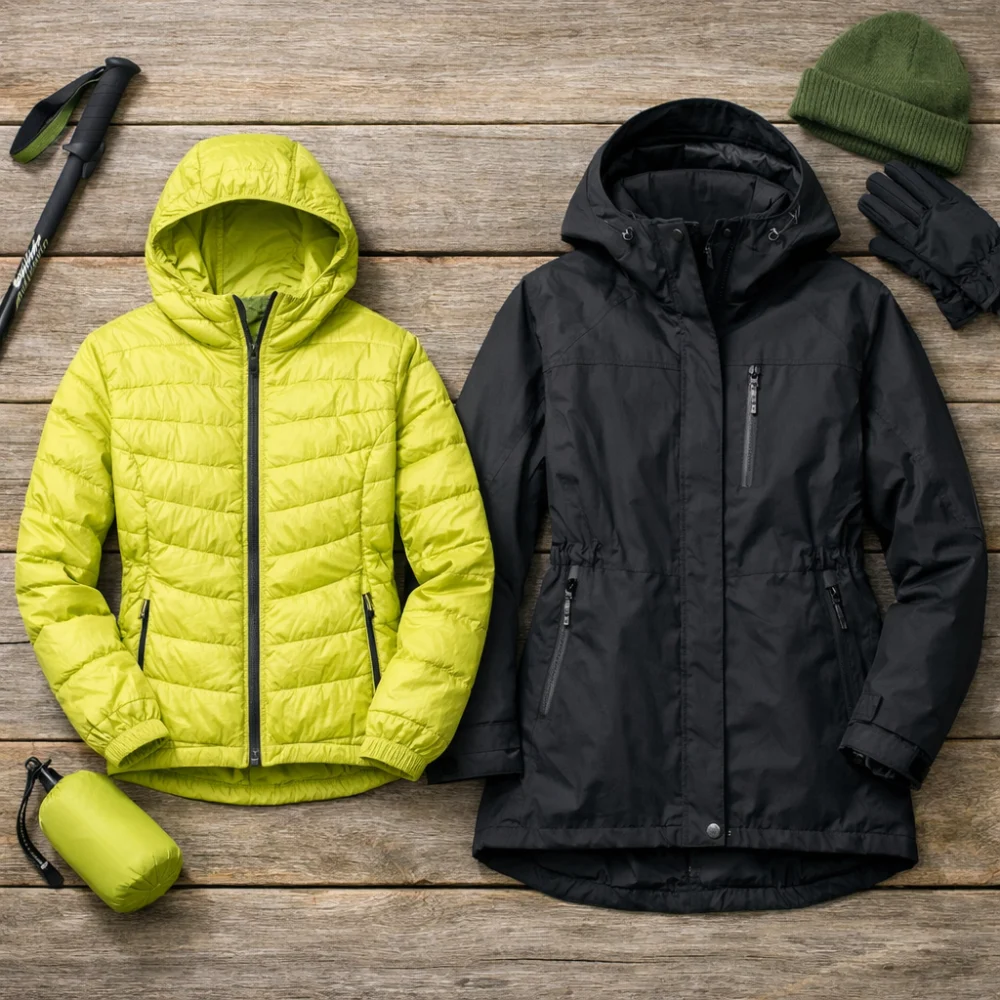
If you are trying to separate windproof jackets from waterproof jackets or insulated jackets, think about the main problem you are solving. Windproof is about cutting airflow; waterproof is about wet weather; insulated is about retaining warmth. Some jackets overlap, but the balance of benefits is different.
Which jacket suits which buyer?
| Buyer need | What to prioritise | Why it helps |
|---|---|---|
| Walking in breezy weather | Wind resistance, comfortable fit, light layering room | Keeps the jacket practical without feeling overly heavy |
| Commuting or travel | Packability, easy wear, versatile styling | Makes the jacket simpler to carry and use across changing plans |
| Active outdoor use | Breathability, mobility, lightweight build | Helps reduce overheating and restriction |
| Everyday casual wear | Fit, length, comfort, simple design | Supports regular use with less focus on technical features |
| Unsettled weather | Windproofing plus some water resistance | Gives a more flexible option when conditions are mixed |
Common mistakes and misunderstandings
- Assuming windproof means waterproof. It does not always. Check the product description if you need rain protection as well.
- Choosing too heavy a jacket for active use. Extra warmth can be useful, but it may reduce comfort if you move a lot.
- Ignoring layering. A lighter jacket may still be a good choice if you plan to wear it over a fleece or mid-layer.
- Focusing only on appearance. Style matters, but fit and fabric suitability often decide whether the jacket gets worn often.
- Overlooking packability. If you will carry the jacket when not in use, weight and foldability can matter as much as weather protection.
Safety and suitability caveats
Check the jacket against the conditions you actually expect to face. A windproof jacket can be a sensible everyday layer, but it is not automatically the right choice for persistent rain, very cold weather or demanding outdoor activity.
If you need reliable protection in harsher conditions, compare the product carefully with jackets that are clearly described for that purpose. Also check fit details, especially if you plan to wear layers underneath.
Care, storage and longer-term use
General care needs can affect value and convenience. Some jackets are easy to fold away and store, while others are better left hanging to keep their shape. If a jacket has special finishes or adjustable features, it is sensible to read the care information on the individual product page.
For buyers who will wear the jacket often, durability and ease of cleaning may matter more than a minor feature difference. A simple jacket that is easy to live with can be a better choice than a more complicated one you rarely use.
How to compare options efficiently
- Decide when you will wear the jacket most often.
- Choose the right level of protection for wind, warmth and rain.
- Compare fit, mobility and layering room.
- Check practical details such as hood, cuffs, packability and pocket layout.
- Read the individual product page carefully before deciding.
Summary buyer decision checklist
- Does the jacket suit your main use: walking, commuting, travel or casual wear?
- Do you need windproofing only, or also water resistance?
- Is the fit suitable for layering and comfortable movement?
- Would a lightweight or packable design be useful?
- Are hood and adjustment details important for how you will wear it?
- Have you checked the individual product page for the exact specifications?
Frequently asked questions
What is the main purpose of a women’s windproof jacket?
Its main job is to reduce the effect of wind chill, which can make a day feel colder than the temperature suggests. That makes it useful for breezy walks, commuting and light outdoor activity. It is often chosen as a lighter alternative to a heavier insulated jacket.
Are windproof jackets good for rain?
Sometimes they are fine in light drizzle, but not every windproof jacket is designed for wet weather. If rain protection matters, check whether the product is also described as water-resistant or waterproof. Do not assume windproofing alone will keep you dry.
Should I choose a fitted or relaxed shape?
That depends on how you plan to wear the jacket. A fitted shape can feel neater and may be better for lighter layering, while a relaxed shape may be more comfortable over jumpers or activewear. Try to match the cut to your usual clothing, not just your preferred look.
Is a hood necessary?
Not always, but it can be helpful in changeable weather because it adds another layer of protection from wind. Some buyers prefer the simplicity of a collar-only design, especially for everyday wear. The best choice depends on how often you want head coverage.
What matters more: warmth or wind resistance?
For this category, wind resistance is usually the defining feature. Warmth still matters, but some jackets are designed mainly to block air rather than add insulation. If you need both, compare windproof jackets alongside warmer outer layers.
How do I know if the jacket will suit layering?
Look at the fit description and think about what you normally wear underneath. If you often add a fleece or thicker top, a slightly roomier cut may be more practical. If you want a sleek outer layer, a closer fit may be better.
Why would someone choose a windproof jacket over a softshell or waterproof jacket?
It depends on the priority. A windproof jacket can be a simpler and lighter answer when the main issue is wind rather than heavy rain or extra insulation. Softshell and waterproof jackets can make more sense if you need a different balance of protection.
Checking fit before choosing a size
Use the product’s size guide where one is provided, and consider the layers you expect to wear underneath. A jacket that fits over a light top may feel restrictive over a jumper, while sizing up can change how the sleeves and hem sit. Check the stated fit and garment measurements if available, and consider whether the cut allows comfortable reaching and arm movement for your usual activities.
More Women's Windproof Jackets
See all 66 Women's Windproof Jackets →


As an Amazon Associate we earn from qualifying purchases.