


If you are choosing a bow rest, the main job is simple: support the arrow in the right position as you prepare to shoot. The right choice depends on the type of bow you use, how much adjustment you want and how much contact you are comfortable having between the arrow and the rest.
This guide is for archers comparing options within the bow rest category rather than looking at the whole bow setup. It focuses on the practical questions that help you narrow the choice without relying on jargon or assuming one style suits every archer.
Because small details can affect fit and feel, it is worth checking the individual product page carefully. Specifications vary by model, so always check the individual product page before buying.
Compare Bow Rests


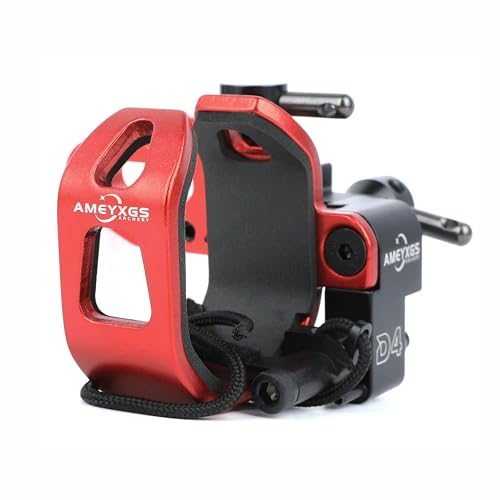
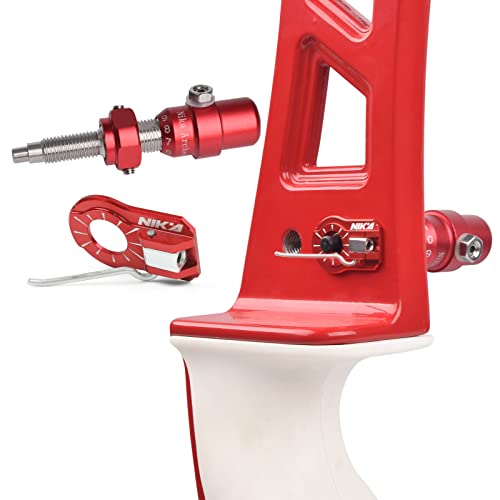
As an Amazon Associate we earn from qualifying purchases.
What should you look for in a bow rest?
The best starting point is to match the rest to your bow type and your level of preference for simplicity, adjustability and arrow support. Some archers want a straightforward rest that is easy to set up, while others prefer a design that offers more tuning options or a cleaner release path. The main trade-off is usually between convenience and the amount of control you want over arrow position and clearance.
| Feature | What It Means | Why It Matters | What To Check |
|---|---|---|---|
| Bow compatibility | The style of bow the rest is intended to work with | A rest that suits one bow type may not be appropriate for another | Check the product description for the intended bow type and fitting notes |
| Arrow support style | How the arrow is held in place before release | Different support styles affect setup, feel and clearance | Look for the support design and whether it suits your shooting style |
| Adjustability | How much you can alter positioning or tuning | More adjustment can help fine-tune feel, but may add complexity | See whether the rest offers simple fitment or more detailed adjustment |
| Contact level | How much the arrow touches the rest during use | Some archers prefer minimal contact, while others value stable support | Check the design description and think about your preferred shooting feel |
| Installation and setup | How easy the rest is to fit and align | Convenience matters if you want a quick replacement or a first-time setup | Look for fitting guidance, mounting style and any setup notes |
| Durability and care | How the rest is likely to cope with regular use | Wear and replacement needs can affect long-term value | Check the materials, moving parts and any care advice provided |
Key decision criteria
Bow type and intended use
The first filter is whether the rest is meant for your bow style and how you shoot. A rest that suits one setup may not be the right starting point for another, especially where the bow design or arrow path differs. If you are upgrading an existing bow, compare the current setup with the rest’s intended use rather than assuming any rest will fit.
Support style
Bow rests vary in how they support the arrow. Some are chosen for a simple, supportive feel, while others are selected for lower contact or more tuning flexibility. The important question is not which style sounds most advanced, but which style matches your priorities for consistency, simplicity and comfort.
Adjustment and tuning
Some rests are straightforward to fit, while others offer more room to fine-tune position. That can be useful if you like to experiment, but it also means there is more to check during setup. If you prefer a low-fuss option, a simpler design may be the better fit.
Durability, wear and replacement
Arrow support parts can experience wear over time, especially with regular use. A buyer thinking about long-term ownership should check whether the rest looks easy to maintain, whether any moving parts are exposed and whether the overall construction seems suited to regular archery sessions.
Common bow rest types and how they differ
Bow rests within this category can differ in how they hold the arrow and how much adjustment they offer. Some buyers are looking for a basic replacement for a worn part, while others want a rest that supports a more particular shooting preference.
- Simple rests: Often chosen for straightforward setup and a less complicated buying decision. Their main limitation is usually less flexibility.
- More adjustable rests: Suited to archers who want to fine-tune position or feel. Their trade-off is extra setup effort and more details to check.
- Low-contact styles: Useful for buyers who want less interaction between arrow and rest. The limitation is that they may not suit every user’s preference or setup.
Who needs what?
| Buyer need | What tends to matter most | Why that matters |
|---|---|---|
| First-time buyer | Simple fitting and clear product information | Makes it easier to choose a rest that is easier to understand and install |
| Replacement buyer | Compatibility with the existing bow setup | Helps avoid buying a rest that does not suit the current bow or shooting style |
| Buyer wanting more tuning control | Adjustment options and clear setup notes | Useful when fine-tuning feel is more important than simplicity |
| Buyer prioritising low fuss | Straightforward design and minimal setup complexity | Reduces the amount of adjustment and re-checking needed |
| Careful value shopper | Durability and likely wear over time | Helps compare long-term usefulness rather than only the initial purchase decision |
Common mistakes and misunderstandings
- Choosing by name alone: Product names can sound similar while the fit or design differs. Check the intended bow type and support style instead.
- Assuming more adjustment is always better: Extra flexibility can be useful, but it also adds setup decisions. A simpler rest may suit many archers better.
- Ignoring the existing bow setup: A rest should be judged in context, especially if you are replacing an old one. Compatibility details matter more than appearance.
- Overlooking wear points: If a rest has contact surfaces or moving parts, think about how that may affect long-term use. The easiest purchase is not always the most suitable one over time.
Safety and suitability caveats
A bow rest is a small part, but it still needs to suit the bow and the archer using it. Do not assume a rest will be suitable just because it is listed in the same category as another one. Check the product page carefully for intended use, fitting notes and any guidance from the manufacturer or retailer.
For archery equipment, it is sensible to stay conservative if you are unsure about compatibility. A rest that looks close in style may still differ in how it mounts or performs.
Maintenance, storage and lifespan considerations
Bow rests are usually chosen for practical use rather than complicated care, but they can still wear with repeated shooting, transport and handling. If the design has moving or contact parts, consider whether those areas may need occasional attention or replacement over time. Store the bow carefully so the rest is less likely to be damaged between sessions.
If you are comparing two similar options, it can help to think about which one is more likely to stay consistent with your normal use rather than which one looks more feature-rich on paper.
How to compare options efficiently
- Decide whether you need a replacement, an upgrade or your first bow rest.
- Check that the rest suits your bow type and intended use.
- Compare the support style, adjustability and setup simplicity.
- Look at durability and any notes about wear or maintenance.
- Read the individual product page carefully before deciding.
Summary buyer decision checklist
- Does the rest suit your bow type?
- Is the support style what you want from the setup?
- Do you want simplicity or more adjustment?
- Are the fitting notes clear enough for your needs?
- Does the design seem practical for regular use?
- Have you checked the individual product page for the details that matter most?
Frequently asked questions
What does a bow rest do?
A bow rest supports the arrow before release and helps keep it in position as you aim and shoot. The exact feel depends on the rest design and the bow setup it is used with.
How do I know which bow rest fits my bow?
Start with the product page and check the intended bow type or fitting notes. Compatibility is the main point to verify, especially if you are replacing an existing part.
Is a more adjustable bow rest always better?
Not necessarily. More adjustment can be useful if you like tuning and experimentation, but it can also make the setup more involved. A simpler rest may be a better choice if you want ease of use.
Should I replace a worn bow rest with the same type?
Often that is the simplest approach, but it is still worth checking whether your current setup is working well for you. A replacement is a good time to confirm whether you want the same feel or a different level of adjustment.
Do bow rests need much maintenance?
They are usually low maintenance, but moving or contact parts can wear over time. It is sensible to check the rest periodically and keep the bow stored carefully between uses.
What if I am not sure which type to choose?
Focus on compatibility, simplicity and the amount of adjustability you actually need. If you are unsure, the clearest product information is usually more useful than chasing a more complex design.
How common bow-rest designs differ
Broad labels such as “simple” or “low-contact” do not tell you exactly how a rest supports an arrow. Common designs include rests that support the arrow from a bow shelf, stick-on rests, brush or capture rests, and launcher-style rests. Some designs may combine features, so use the product description and fitting information rather than the label alone.
| Design | How it supports the arrow | What to consider | What to check |
|---|---|---|---|
| Shelf or side support | Supports the arrow at the bow shelf or side | A straightforward arrangement, but the contact and fit depend on the bow and rest | Whether it is intended for your bow style, and how it attaches |
| Adhesive stick-on rest | Attaches to the bow with an adhesive backing | Can be a simple option, but the mounting surface and alignment matter | Mounting method, intended bow type and handedness |
| Brush or capture rest | Uses surrounding bristles or supports to hold the arrow | Provides a different support feel from an open shelf or launcher design | Intended bow and arrow compatibility, including any stated diameter limits |
| Launcher-style rest | Supports the arrow on a narrow arm or blade | May offer a different balance of support and clearance; designs and adjustment vary | Fit, adjustment information and whether the design suits your bow setup |
Handedness is an easy detail to miss: a rest described for right- or left-handed use may not suit the opposite setup. Check this alongside the mounting method and intended bow type, particularly when replacing a rest. These design descriptions are general distinctions, not a guarantee that any particular style is suitable for your bow.
More Bow Rests
See all 85 Bow Rests →
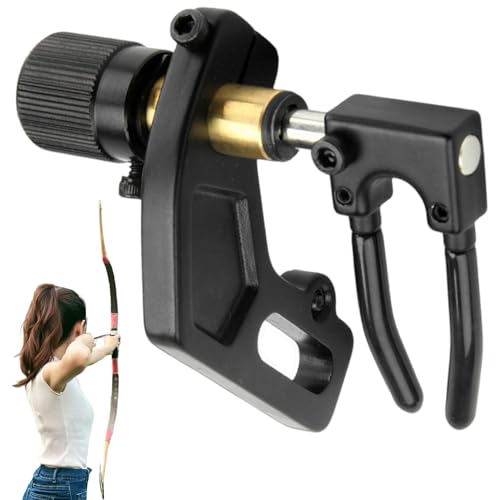


As an Amazon Associate we earn from qualifying purchases.